-
Working Memory
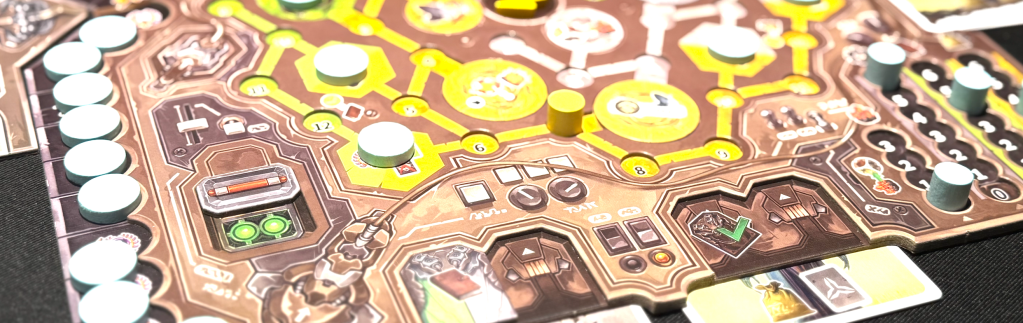
Working memory is like a mental workspace that allows us to hold onto information for short periods while we use it to complete tasks, such as solving problems or making decisions. It helps us juggle different pieces of information at once, enabling us to think and reason effectively in everyday situations. Research shows that the…
-
Text alternatives are offered when possible

Making a board game accessible simply means making it playable by people with a wide variety of abilities. As I have mentioned previously, making a game more accessible tends to help everyone who plays the game. The metric this particular post will consider is how many games provide text alternatives when possible. Most of the…
-
Delayed complexity

Delayed complexity in board games refers to the design strategy where rules or mechanics are introduced only when players are ready to engage with them, rather than being explained upfront. This approach allows for a smoother learning curve, as players can focus on mastering simpler aspects of the game initially. By gradually unveiling complex elements…
-
Large, clear, and high-contrast fonts make the text easy to read
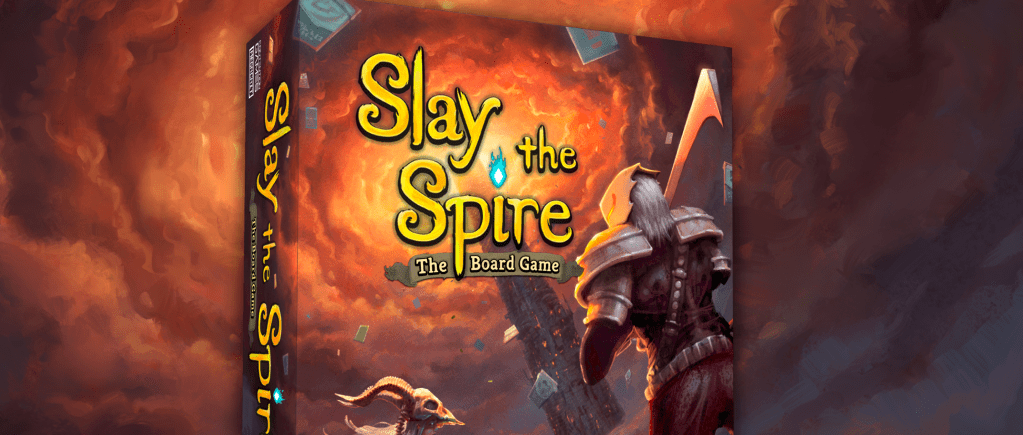
The idea of accessibility is super simple; is the content able to be consumed by as wide an audience as possible. Something that can play into this in a very big way is the presentation of text. As the title of this post states, is it large, clear and high-contrast. These are the factors that…
-
The Principle of Chunking

Chunking in design refers to the strategy of breaking down complex information into smaller, manageable units or “chunks” to enhance user understanding and retention. By organizing content into chunks, designers can create a more navigable and digestible experience, making it easier for users to process information efficiently. This principle is particularly effective in visual design,…
-
White space is used effectively

White space, also known as negative space, refers to the areas in graphic design that are left unmarked or free of text and images. It plays a crucial role in creating balance, improving readability, and enhancing the overall aesthetic appeal of a design. Effective use of white space in graphic design significantly enhances board game…
-
Peak-End Rule

The Peak-End Rule means that people remember an experience mainly by how they felt at the best point and the end, not by considering every moment equally. With this in mind, it is wise to carefully consider what the experience is like at its “peak” and then what it’s like when it ends. A good…
-
The game doesn’t rely too much on memory

An important usability aspect of digital systems is that they should not rely too heavily on users to remember things. This is especially true as the world has evolved into one where the ability to find answers is more important than the ability to memorize them… but that’s a totally different subject. In regards to…
-
Contrast in design

In graphic design, the principle of contrast plays a crucial role in creating visual interest and guiding viewers’ attention effectively; it involves the deliberate use of opposing elements such as colors, shapes, sizes, and typography. By strategically using contrast, designers can draw emphasis to specific features, create a clear hierarchy, and facilitate better communication of…
-
The physical form reinforces the rules

When a board game’s physical form actually reinforces the rules, it can feel so amazing. This inevitably makes the game more intuitive to play, easier to learn, and easier to remember how to play. All important elements in creating a positive player experience. What does this actually look like though? A great example to start…

