-
An exploration of “fun”

As board game designers we are always trying to better understand how we think about games. One aspect that gets generalized is the idea of “fun.” What is fun for one person is very likely to be different than another. This is why it is so amazing when you find a game group with a…
-
Unpredictable mechanics are used appropriately
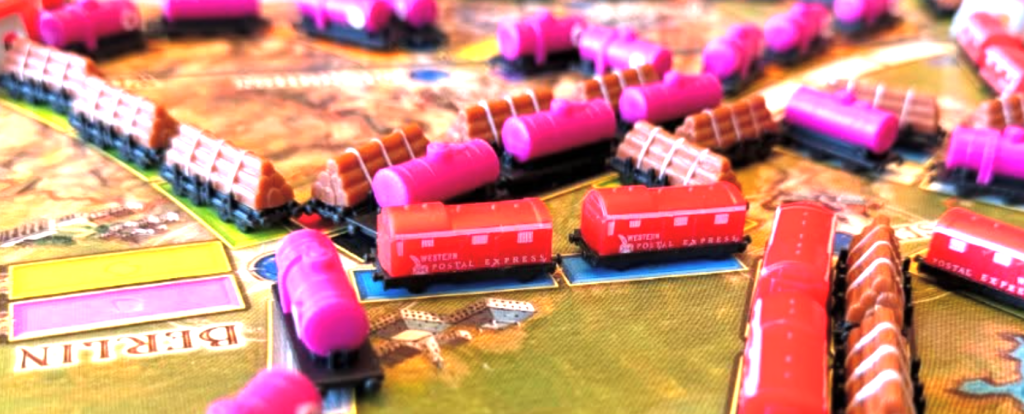
What exactly does it mean to use unpredictable mechanics appropriately? I would say that a game is using randomness appropriately when it adds variety to gameplay that is essential to the game functioning. That is to say the game itself would simply not work if you removed the random element. However, if there is too…
-
12 Tenets of Board Game Design from Stonemaier Games
With so many possible directions to go in game design, it is really easy to design a bad game. When I stumbled upon Stonemaier Games’ list of design tenets, I was really challenged in my thinking. I am sure other companies have similar principles, even if they aren’t in writing. But to see so visibly the exact…
-
The game ends, leaving players wanting more

As a game designer, I can’t imagine wanting anything more than to create a game that leaves players wanting more. This is obviously a reflection of a positive player experience. But we all know there are plenty of games we never want to play again or that we just kind of feel meh about. I…
-
Twenty Years, Twenty Lessons
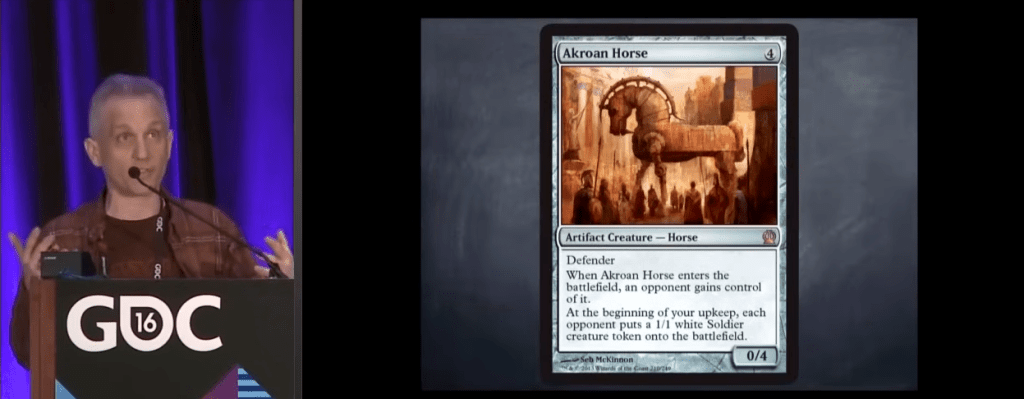
This presentation from the lead designer on Magic the Gathering is fantastic. He shares highlights from 20 years of experience working on MtG. I personally love how so much of what he shares relates to the world of UX Design. He has a strong focus on how the users (players) will think of things and…
-
Each mechanic has a clear purpose
As you analyze the top 100 games on Board Game Geek, a pattern emerges. Each of these games has very strong control over the mechanics. That is to say that most of these games have solid and clear core mechanics that simply do not require extensive exceptions or bolted-on mechanics to fix things. Big game,…
-
Timmy, Johnny and Spike and the usage of personas in game design

An important tool in the world of UX design is the persona. It is used to describe your user base by breaking them into groups and giving them key traits and names. The idea is to remind the designer or developer that they are building a product for someone other than themselves. It doesn’t matter…
-
The rule book is clear and easy to understand
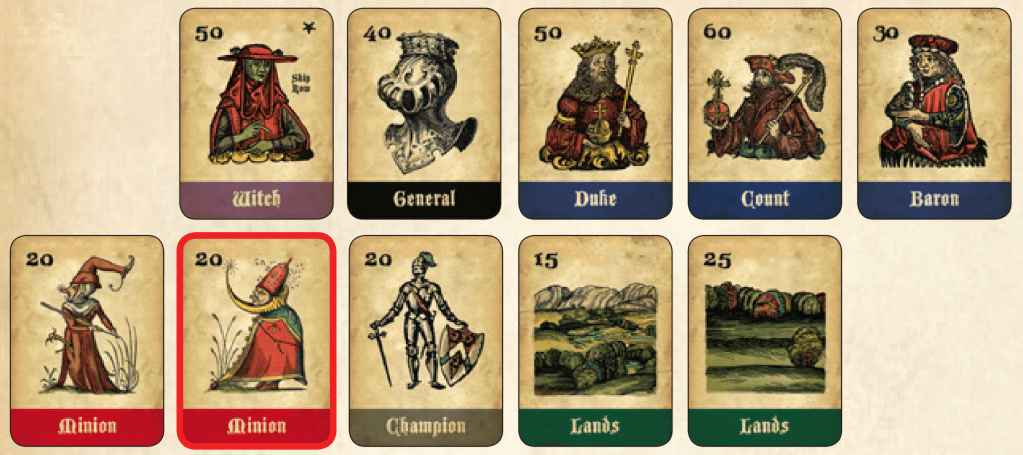
It should come as no surprise that the rule book is a key aspect of player experience. And within that, it makes sense that the book should be clear and easy to understand. If we can’t understand the rule book, how will we ever play the game? The rule book is the first line of…
-
Proposition density

Proposition density in graphic design refers to the balance between visual elements and the amount of information conveyed. A well-considered proposition density allows designers to present essential messages clearly while maintaining aesthetic appeal, ensuring that each component serves a specific purpose. In general, you want fewer visual elements and more possible interpretations. The general idea…
-
Labels, elements, and actions are consistent throughout the game

A major consideration of UX work is whether something is understandable. That is, can users understand the system and the way it works? A key aspect of this is the consistency of labels, elements, and actions throughout that system. When we apply this to the world of board games, it’s pretty much the exact same…

