
Board Game Player Experience (BG-PX) is a structured system used to evaluate a board game’s player experience. This assessment looks at aspects like art, graphic design, physical components, rule books, and interactions with other players. The system scores these aspects of the game to get an overall PX assessment. The system is made up of 10 categories with 10 criteria in each.
The Categories & Criteria
Information Architecture:
Does the game’s content make it easier to play?
- Each object in the game has a clear purpose and use.
- The design helps players know how to use objects and simplifies choices.
- The game limits content to avoid overwhelming players.
- The game uses examples to show how objects are used.
- Elements are repeated in the appropriate context to aid the player.
- Information is presented in multiple ways to suit different players.
- Design uses grouping to help players navigate elements.
- The layout reinforces how components should be used.
- Game elements follow familiar patterns and best practices.
- Labels on game elements are helpful and relevant.
Rulebook:
Does the rulebook effectively teach and support gameplay?
- The rulebook clearly describes the game world.
- Key points are repeated when needed.
- Content is consistently labeled and structured.
- The rulebook uses examples.
- The book avoids FAQs.
- The tone, voice, and style are consistent.
- There are no spelling or grammar mistakes.
- All necessary sections (e.g., setup, winning conditions) are present.
- The book is clear and easy to understand.
- There are reference sections to help during play.
Mechanics:
Do the mechanics work smoothly and support the game’s theme?
- The mechanics reinforce the game’s theme.
- The mechanics are simple to learn and understand.
- Each mechanic has a clear purpose.
- The mechanics give players control and choices.
- Mechanics encourage competition, cooperation, and interaction.
- Unpredictable mechanics are used appropriately.
- Mechanics that players naturally want to avoid are effectively used.
- The game uses scarcity well.
- Mechanics create a sense of ownership or creation.
- The mechanics give players a sense of achievement.
Game Features:
Do the game’s elements create a positive experience?
- The core mechanics are fun, simple, and have depth.
- Short and long-term goals overlap meaningfully.
- Players make meaningful choices each turn.
- Players can impact random events in meaningful ways.
- Turns increase in impact as the game progresses.
- Opponents’ turns affect other players.
- The game reduces complexity with multi-use components.
- There are exciting moments or powerful turns.
- The game ends, leaving players wanting more.
- The game has something unique or remarkable.
Usability:
Are the game’s systems intuitive and easy to use?
- The design include elements to remind players of how systems work.
- The game doesn’t rely too much on memory.
- Language and functions are familiar to players.
- Game elements use clear affordances (hints about use).
- Optional steps are clearly marked.
- Actions are consistent across the game.
- Items are grouped logically, with clear headings.
- Related elements are connected seamlessly.
- The design helps players avoid mistakes.
- The components make the game satisfying to play.
Understandable:
Is it easy to understand how to play the game?
- Tasks are broken down to feel simple.
- Progress is clearly communicated.
- Prompts suggest actions in consistent ways.
- Elements appear in the same locations for consistency.
- Labels, elements, and actions are consistent throughout the game.
- Actions are named consistently across all prompts in the game.
- Prompts are short and clear.
- The game doesn’t rely on memory for exceptions.
- The game supports repeated learning.
- Common language is used, avoiding jargon.
Iconography:
Does the game effectively use icons?
- Icons’ meanings are easy to figure out.
- Icons are visually clear and easy to read.
- Icons are kept as simple as possible.
- Icons represent familiar or frequently needed ideas.
- Icons are well-aligned and balanced visually.
- Icons are consistent in design and look unified.
- Icons fit the theme and don’t look out of place.
- Universal icons are used where possible.
- Conflicting icons are avoided.
- Unique icons are only used when necessary.
Aesthetics:
Is the visual style appealing and appropriate?
- The game’s visuals appeal to the target audience.
- Images are relevant and professional.
- The visual style matches the game’s theme and brand.
- Visual elements are unified and harmonious.
- The game uses visual hierarchy well.
- The visual style provides clear guidance to players.
- The game’s design feels cohesive and unified.
- White space is used effectively.
- Color coding is consistent.
- The game makes good use of typographic principles.
Accessible:
Is the game accessible to all players?
- The colors are accessible for colorblind players.
- The game is playable for people with visual impairments.
- It is accessible to people of all social and economic backgrounds.
- Large, clear, and high-contrast fonts make the text easy to read.
- Game pieces are easy to handle and tell apart.
- The game minimizes memory load.
- Simple and straightforward language is used.
- The game works for players with different communication abilities.
- Text alternatives are offered when possible.
- The game supports hearing impairments with alternate cues.
Form Factor:
Does the game addresses human factors effectively?
- Components are designed to prevent errors.
- Players can easily reach and see what they need.
- The game’s footprint allows all players to access all actions needed.
- The components match how players think the game works.
- The physical form reinforces the rules.
- The components fit their context of use.
- Physical components are easy to interact with.
- Components have internal consistency.
- Components have external consistency.
- The physical form guides players.
Sample report
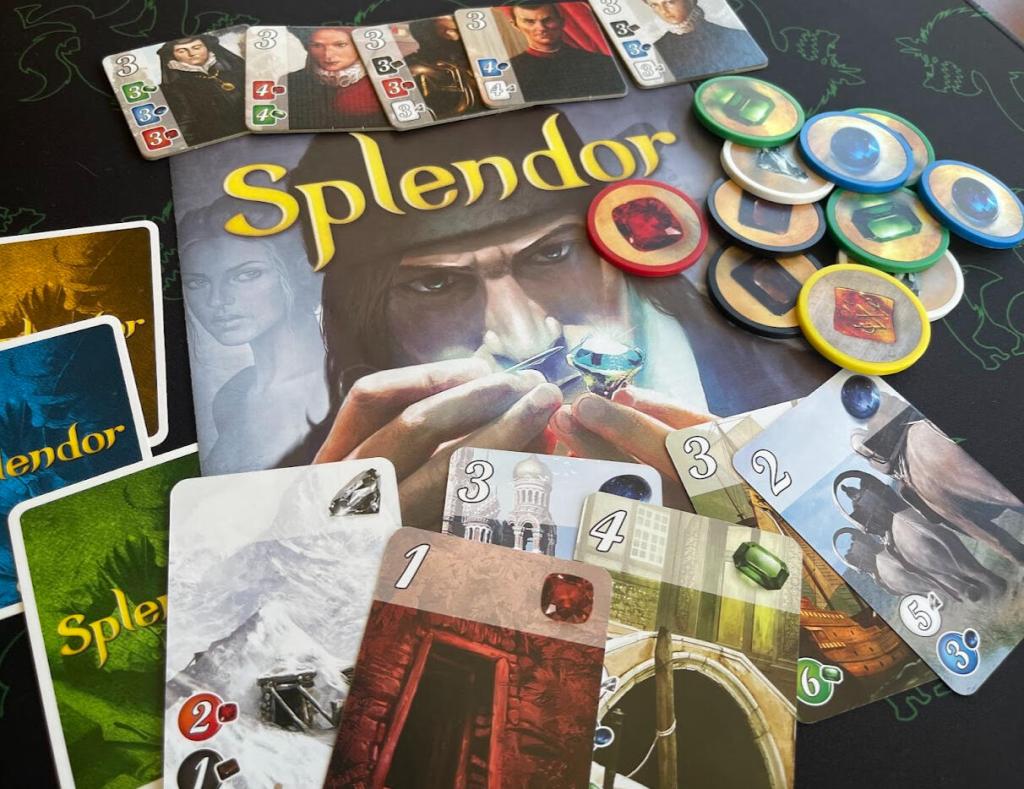
Splendor
Can a game as incredible as Splendor be improved? Check out the full report to find out. This audit used the professional BG-PX system.
This review is independent,
and BG-PX is not connected to this publisher or product.
