-
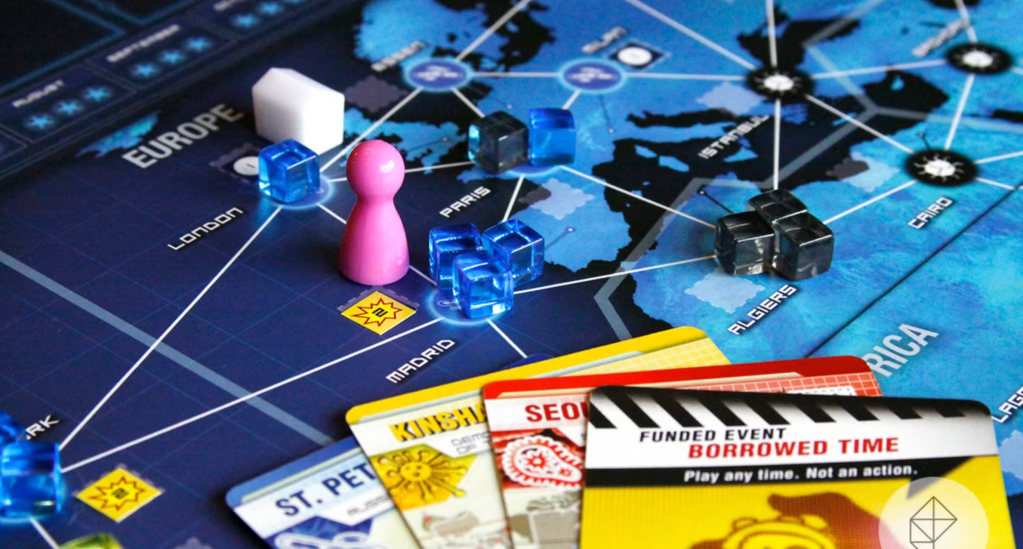
Components have external consistency
External consistency is a design principle where systems align with users’ existing knowledge and expectations from outside that specific product. Rather than creating entirely new conventions, externally consistent design leverages the mental models people have already developed through prior experiences with other games, products, and real-world interactions. When a game respects these established patterns—using red…
-

Physical components are easy to interact with
Good game design extends beyond rules and mechanics; it’s also about a game’s physical form. When players can easily handle pieces, read text, and understand visual cues without confusion or frustration, the game’s User Experience (UX) is enhanced. This is the difference between a game that feels intuitive and one that feels like a chore.…
-

The physical form reinforces the rules
When a board game’s physical form actually reinforces the rules, it can feel so amazing. This inevitably makes the game more intuitive to play, easier to learn, and easier to remember how to play. All important elements in creating a positive player experience. What does this actually look like though? A great example to start…
-
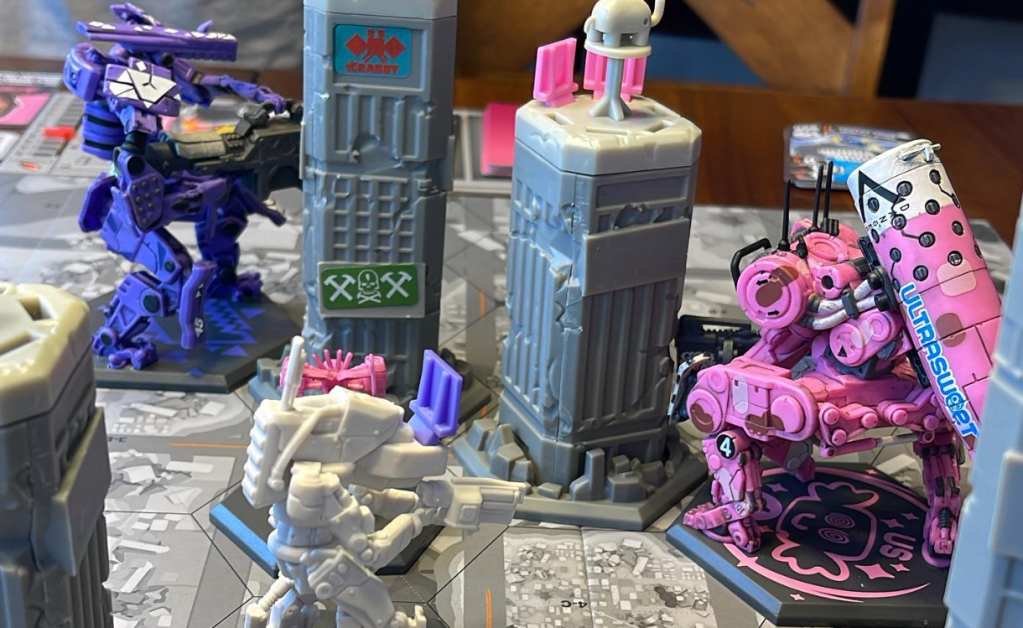
Players can easily reach and see what they need
A fundamental aspect of game design is that players can easily reach and see what they need. If it is too hard to reach or see the content, it will be very challenging to engage with it. This basic ability can have a very large impact on the player experience. Things that are too far…

