

The Von Restorff Effect, discovered by German psychiatrist Hedwig von Restorff in 1933, describes how distinctive items stand out in memory better than similar items. Her research found that when people see a list of similar items with one visually distinct element, they remember that distinctive item far better than the others. This psychological principle has interesting implications for design: when something looks different from everything around it, our brains flag it as important and memorable. The effect works because our pattern-recognition systems are wired to notice anomalies—the thing that breaks the pattern becomes the thing we remember.
In board game design, the Von Restorff Effect is a useful tool for directing player attention and ensuring important information stands out. The principle suggests making important information or key actions visually distinctive, which in games means using visual contrast to highlight special components, critical rules, or important game states. When everything on a board or card looks similar, players must work harder to identify what matters most in any given moment. Strategic use of distinctiveness—through color, size, shape, or visual treatment—guides players toward the information they need without requiring conscious searching.
However, the principle comes with important caveats. Designers should use restraint when placing emphasis on visual elements to avoid them competing with one another, as making too many things distinctive defeats the purpose—when everything is special, nothing is. Designers must be careful not to exclude those with color vision deficiency or low vision by relying exclusively on color to communicate contrast, meaning visual distinctiveness should use multiple channels like shape, pattern, or size alongside color. Motion sensitivity should also be carefully considered when using motion to communicate contrast. The goal is creating hierarchy where the most important elements are the most distinctive, while maintaining accessibility for all players.
Let’s look at some samples and creative ways the idea intersects with real games.
Kingdomino
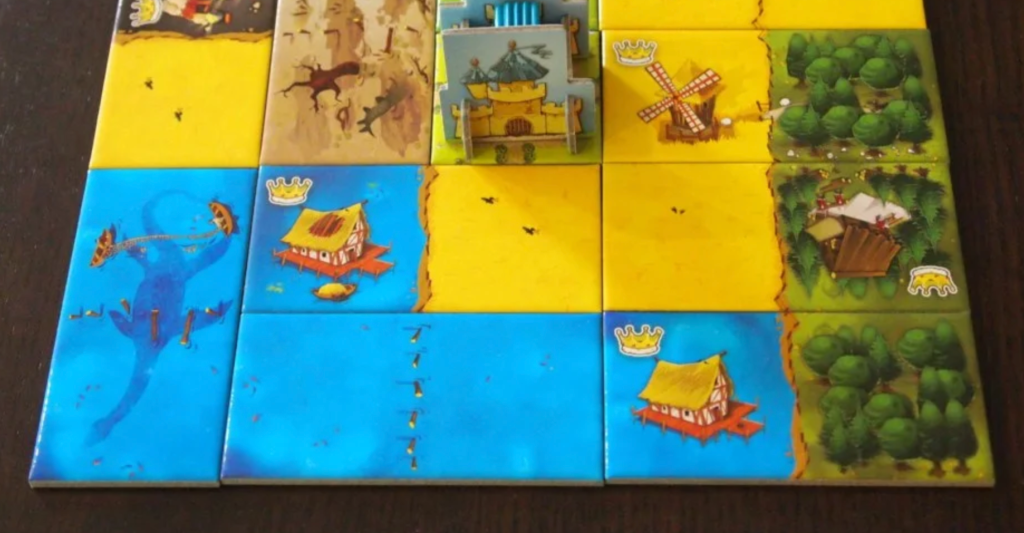
Kingdomino employs the Von Restorff Effect through its crown symbols, which appear on certain terrain tiles as small golden icons that contrast sharply with the illustrated landscapes. Most tiles simply show terrain without additional markings, creating a visual baseline. Crown tiles break this pattern with prominent yellow symbols and structures of some type that immediately draw the eye, making them memorable during tile selection. This visual distinctiveness reinforces their mechanical importance—crowns multiply the value of connected terrain during scoring. Players learn quickly to prioritize crown tiles because the visual triggers memory of their special scoring benefit.
Calico
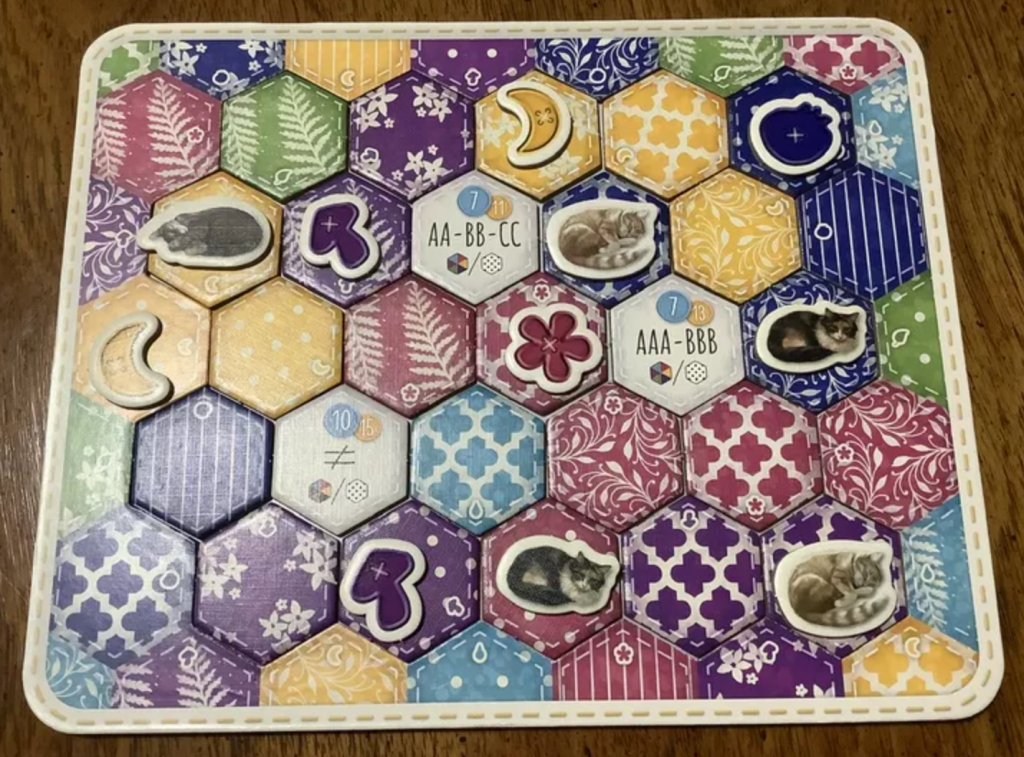
Calico uses the Von Restorff Effect through its goal tiles that contrast dramatically with the colorful patterns on the tiles players draft. The quilt hexes feature subtle pastel patterns that blend together visually, while the goal tiles are white with symbols showing exactly what arrangements score points. These goal tiles remain face-up throughout the game on the player board, their appearance constantly drawing attention to the scoring objectives. The visual prominence ensures players don’t forget their goals while focusing on the tactical puzzle of tile placement, making the scoring conditions memorable without requiring constant reference to rules.
Horrified
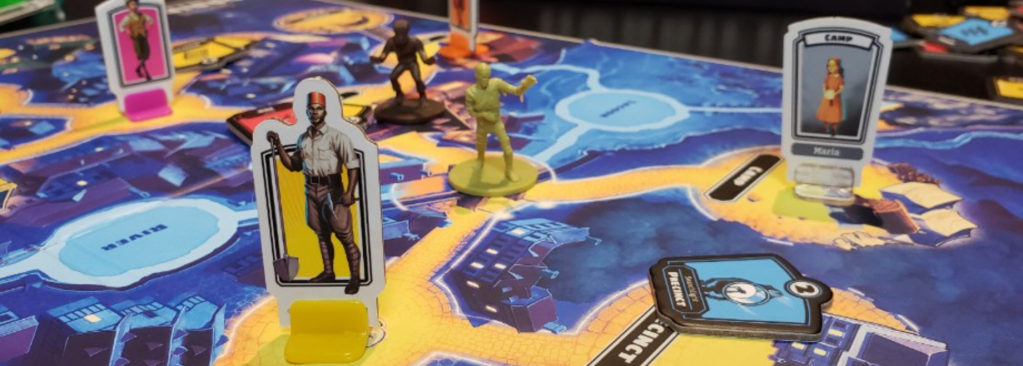
Horrified applies the Von Restorff Effect through its monster miniatures, which stand out dramatically against the flat player figures and location tokens. While players and items use flat standees, the monsters—Dracula, Frankenstein, the Mummy, and others—feature sculpted plastic figures with distinct details. This physical difference makes the monsters more noticeable on the board and memorable as threats, reinforcing their special status as the primary challenges players must overcome. The visual and tactile contrast ensures players never lose track of monster positions and helps new players quickly identify which elements on the board represent dangers versus resources or player characters.
Just One
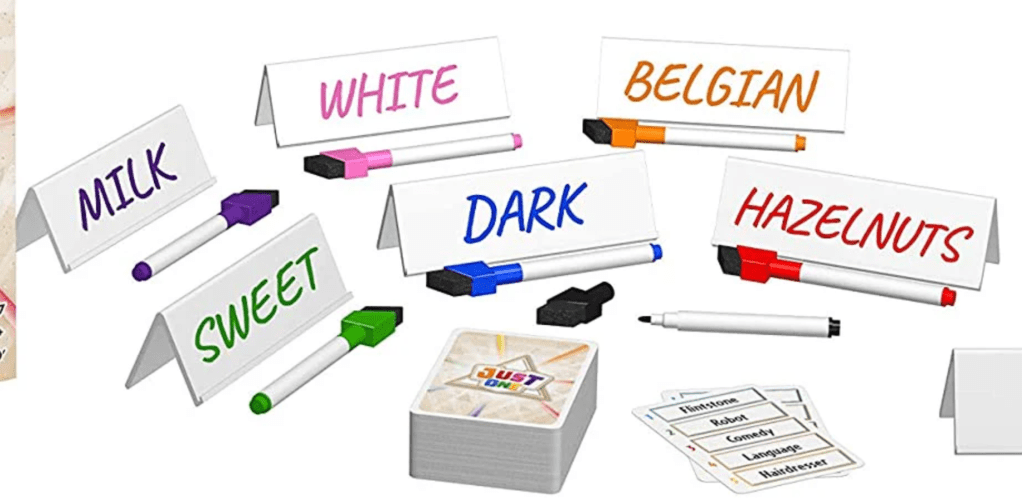
Just One uses the Von Restorff Effect through its dry-erase boards and tabletop easels, which are unique physical components in a game market dominated by cards and tokens. While most party games use paper, cards, or apps for communication, Just One’s white boards and plastic easels create a unique tactile and visual experience. The act of writing on and displaying these boards makes the game memorable and recognizable—people remember “the one with the little easels.” The physical difference serves gameplay by making each player’s clue visible when revealed, and the unusual component choice helps the game stand out both on shelves and in players’ memories as something different from typical card-based party games.
Conclusion
The Von Restorff Effect provides game designers with a psychological tool for directing attention and improving information retention through strategic visual distinctiveness. By making critical components, special rules, or important game states visually distinct from their surroundings, designers ensure players naturally focus on what matters most without requiring explicit instruction. However, successful application requires restraint—overusing distinctiveness creates visual noise where nothing stands out, and relying solely on color excludes players with vision differences. The best implementations use distinctiveness sparingly and strategically, reserving it for elements that genuinely need to be memorable or immediately noticeable, while supporting that distinctiveness through multiple visual channels. When applied thoughtfully, the Von Restorff Effect helps games communicate their most important information through design rather than relying on players to memorize which elements are special.
