
Exceptions in game rules are those annoying moments where the patterns you’ve learned suddenly don’t work anymore. You know the drill—”most of the time you do X, except when Y happens, then you do Z instead.” These special cases force players to keep a running mental list of “yeah, but remember…” situations. The real problem hits when games don’t remind you about these exceptions at the moment you need them, leading to constant rulebook flipping, forgotten rules, or that awkward moment when someone realizes three turns later that you all played something wrong.
Exceptions make games feel way more complicated than they actually are. Each one creates a fork in the road between how players think the game works and the actual rules. You’re not just remembering the exception itself—you’re remembering when it kicks in, what triggers it, and how it changes things. Stack up enough exceptions and suddenly your “medium complexity” game feels heavy. Really elegant games either skip the exceptions entirely or, when they absolutely need them, build reminders right into the game so you don’t have to remember everything yourself.
Smart game design doesn’t make players memorize exceptions. The fix is often pretty straightforward: put a reminder where people need it. Slap some text on a card, add an icon to that weird board space, print it on the player aid. Whatever works. The point is moving that information out of players’ heads and onto the components where it belongs, so everyone can focus on actually playing the game instead of trying to remember all the special rules.
Concordia
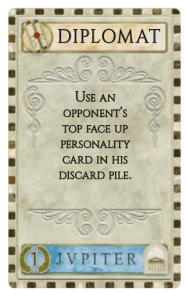
Concordia’s Diplomat card is pretty cool—it lets you copy whatever action another player just did. Works great for almost every card in the game. Except it doesn’t work with the Tribune card. Can’t copy that one. Makes sense for game balance, but here’s the problem: the Diplomat card doesn’t actually tell you this. You’re supposed to remember it from reading the rulebook. Even people who’ve played dozens of times will occasionally forget and try to Diplomat a Tribune, then everyone has to stop and check the rules. All they needed was one line on the card—”Copy any card except Tribune”—and problem solved. Instead, players are stuck trying to remember this exception every single game.
Ticket to Ride: Europe

Ticket to Ride: Europe added tunnel routes, and they’re a bit tricky—when you try to claim one, you flip three cards and if they match your color, you need to play extra cards or give up. It’s a fun risk-reward thing, but it completely breaks the normal “play cards, claim route” pattern everyone knows from Ticket to Ride. The designers nailed it though by putting a special icon right on the tunnel routes on the board. You can see immediately which routes are tunnels without memorizing them or checking a list. When you’re scanning the board figuring out your next move, those icons jump out and say “hey, this one works differently.” You might not remember the exact tunnel rules, but you know to check your reference card before committing, which is exactly what a good visual marker should do.
Pandemic
:strip_icc()/pic3421210.jpg)
Pandemic’s Epidemic cards break all the normal rules—instead of going into your hand like every other player card, they trigger a sequence of actions you have to do right away. Three specific steps in order: bump up the infection rate, grab the bottom infection card, shuffle the discards and stick them on top. Could be a pain to remember, but the cards just… tell you what to do. Right there on the card: step one, step two, step three, with full instructions. You don’t need to memorize anything or dig through the rulebook. The card itself is the rulebook for this exception. The card has exactly the info you need in order to resolve it.
King of Tokyo
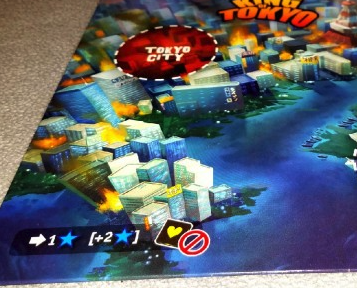
King of Tokyo has this rule that catches people every single time: if you’re in Tokyo, you can’t heal. Rolling hearts does nothing for you in there. It’s actually a clever rule—being in Tokyo is risky because you’re exposed and can’t recover, which creates tension about when to bail out. This exception is clearly noted on the game board and serves as a small reminder of this detail.
Conclusion
Bottom line: making players memorize exceptions is bad design. The best games either avoid exceptions altogether by keeping their systems consistent, or they make those exceptions visible right where you need them. If your game needs an exception for good reasons—strategy, theme, whatever—then put a reminder on the card, the board, or the player aid. Surface it at the exact moment players are making the decision where it matters. Do that, and your game feels smooth and elegant instead of like a pop quiz on obscure rules. Players should be thinking about their next move, not trying to remember which special cases apply this turn.
