

In board game design, few moments are as thrilling—or as frustrating—as the roll of the dice or the draw of a card. Random events are a pillar of game design, introducing unpredictability makes a game replayable. Yet, when pure luck dictates the outcome without any player input, the experience can feel hollow and even unfair. A well-designed game doesn’t just hand players a random event; it hands them the tools to interact with it. The goal is to transform moments of pure chance into meaningful strategic decisions, ensuring that even in the face of randomness, a player’s choices matter. This is the difference between being a victim of luck and being the master of your own Player Experience (PX). Let’s look at some examples to see how this might work.
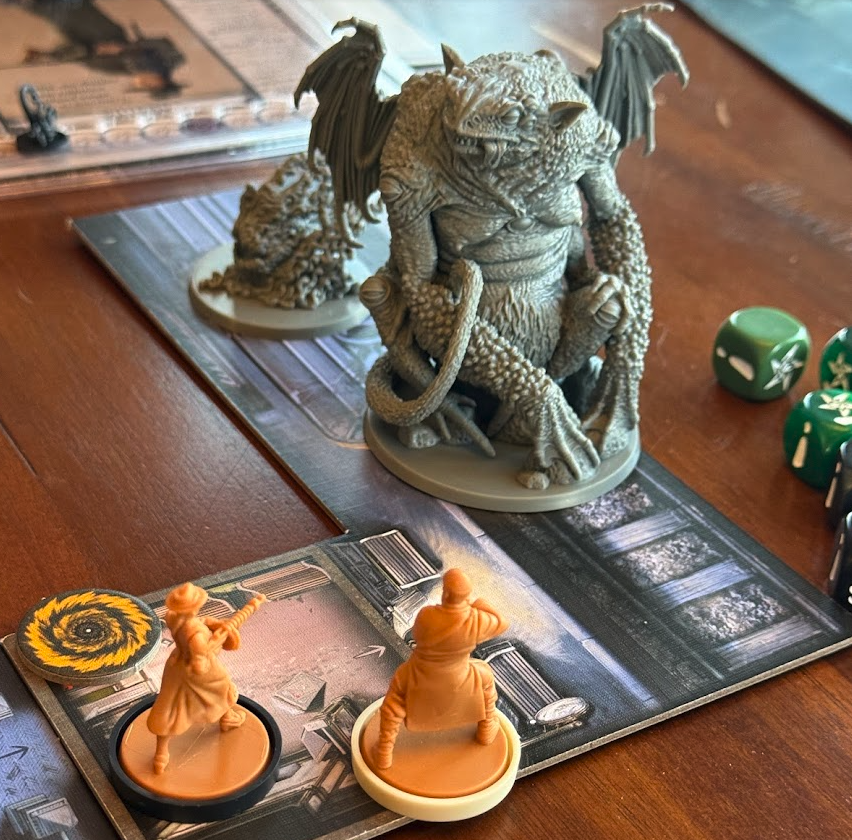
Cthulhu:Death May Die
In Cthulhu: Death May Die, “stress” is not just a feeling; it’s a resource. Any time the player rolls the dice, they can spend stress to gain rerolls. However, stress is also used to acquire powerful items. So players have a tough choice: do I mitigate a bad roll or do I save my stress in the hopes of drawing a good card? Another interesting way the game deals with uncertainty is with the sanity track. Rolling a tentacle symbol on a die is a random outcome that pushes a player closer to insanity by advancing them on their Sanity track. By reaching specific insanity thresholds, players unlock powerful upgrades and new abilities. This brilliant design turns moments of randomness into a calculated push-your-luck choice. Players can strategically embrace the “stress” of a failed roll to gain a tactical advantage, turning their descent into madness into a purposeful journey toward ultimate power. But if they push it too far, they will go insane and lose the scenario.
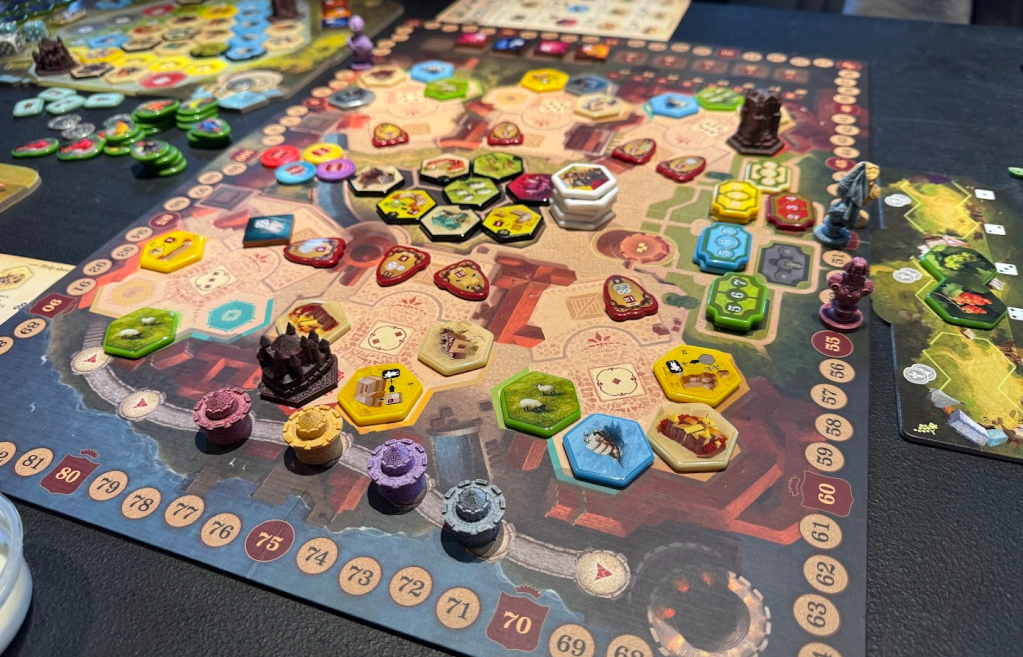
Castles of Burgundy
In The Castles of Burgundy, workers are a crucial mechanism for mitigating the randomness of dice rolls. While players use the results of their two dice to perform actions, they can spend a worker token to adjust a single die’s value up or down by one. This seemingly small adjustment gives players a significant amount of control, allowing them to turn an unfavorable roll into a useful number to take the tile they need or to place a tile on their board. This mechanic transforms the dice from a source of pure luck into a strategic resource that can be actively managed to advance a player’s estate.
Champions of Midgard with Valhalla expansion
In Champions of Midgard: Valhalla, sacrifice tokens are added to the game. When a warrior dies in combat, instead of being a total loss, the player gains a corresponding sacrifice token. These tokens, one for each type of warrior, can be used on the new Valhalla board to purchase powerful Valkyrie Blessings or even to recruit stronger, new types of warriors like Berserkers and Shield Warriors. This system mitigates the inherent luck of dice rolls, as a series of unfortunate deaths in one fight can can lead to powerful advantage in future battles. These tokens are so rewarding in fact that often times you want your troops to die. Especially in games with lower player counts where its very easy to replace lost soldiers.

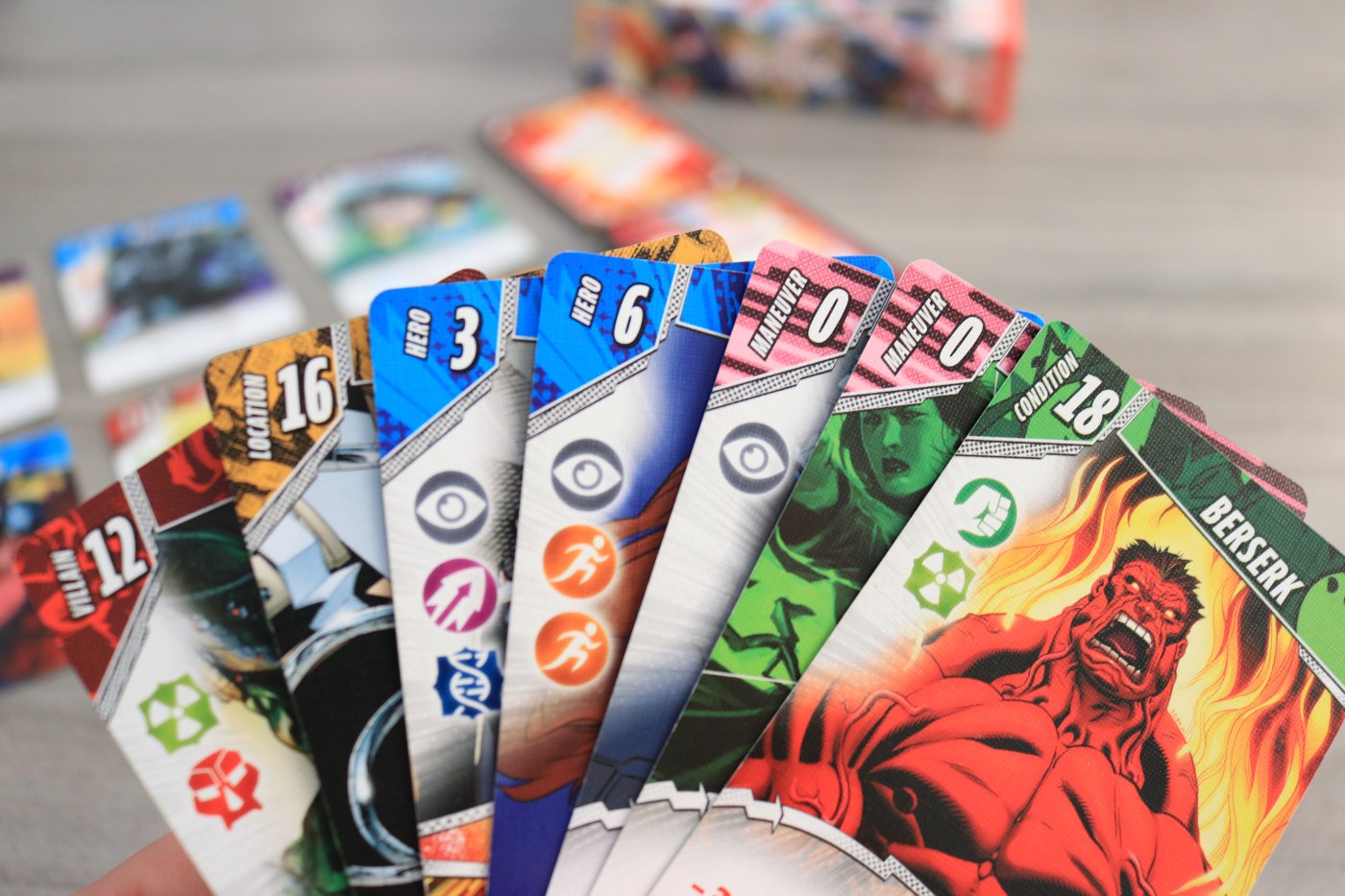
Marvel Remix
In Marvel Remix, the game is centered around making the most of the hand you are dealt. In a way the structure of the entire game is to mitigate the luck of what you drew. In theory, your starting hand could be your final hand. Each player starts with a hand of seven cards, and the goal is to build the highest-scoring combination by the end of the game. On each turn, you draw a new card from one of three sources—the main deck, the villain deck, or the face-up discard pile—and then discard one card from your hand. Since cards gain bonus points based on the other cards in your hand, this constant cycle of drawing and discarding requires players to be highly strategic. You must constantly evaluate your hand to determine which cards offer the most synergy and which are expendable, all while keeping a close eye on the discard pile to see if an opponent has given you a card you need to complete your own combo. The player has a lot of agency, which is amazing considering how simple the game is.
Yahtzee!
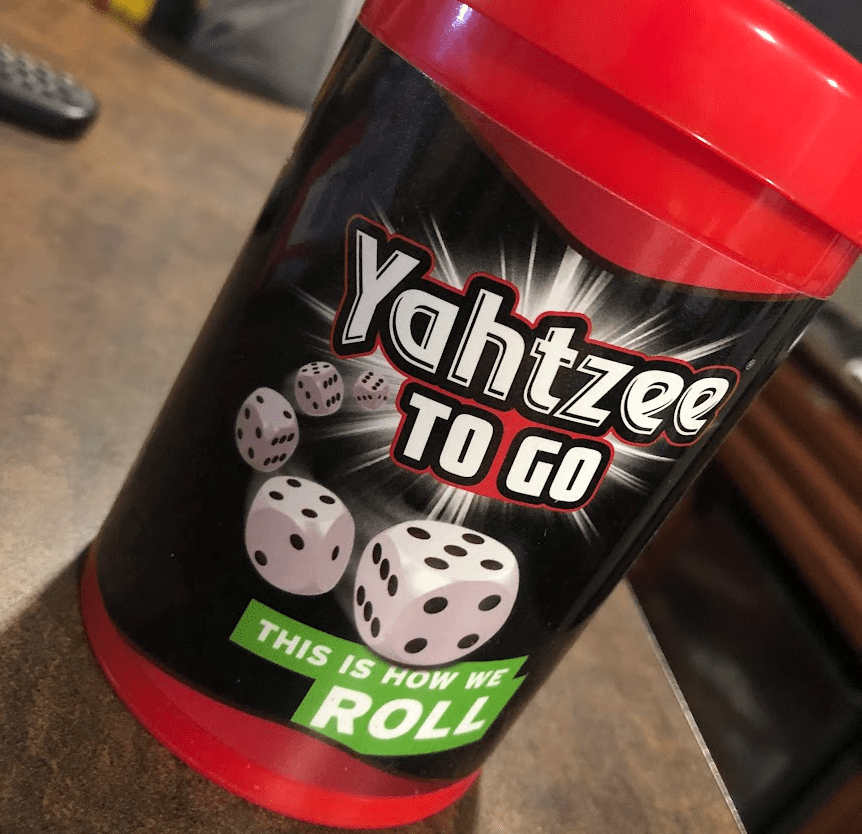
While Yahtzee is often considered a very simple and luck driven game, it does have some basic mitigation baked in. On a player’s turn, after the initial roll of all five dice, they can choose which ones to keep and which to reroll, with up to two rerolls available. This simple but mechanic transforms a single, random outcome into a series of calculated choices. For example, if a player rolls three 5s on their first roll, they can choose to keep them and only reroll the remaining two dice, drastically increasing their chances of scoring a “Four of a Kind” or a “Yahtzee.” This player agency turns a game of pure chance into one of strategic decision-making and risk management. In fact, this is pretty much what makes the game fun to play. The thrill of pushing your luck and seeing it work (sometimes).
Conclusion
Ultimately, the most compelling random events in board games aren’t truly random at all. By giving players meaningful ways to influence dice rolls, manage card draws, and navigate unexpected challenges, designers are creating a deeper and more satisfying Player Experience. These mechanics empower players to feel like masters of their own destiny, not victims of fate. This is the art of great design: turning chance into a choice and making luck feel like skill. This strikes at the very core of what a game is and should be carefully considered through out the design process.
