

Delayed complexity in board games refers to the design strategy where rules or mechanics are introduced only when players are ready to engage with them, rather than being explained upfront. This approach allows for a smoother learning curve, as players can focus on mastering simpler aspects of the game initially. By gradually unveiling complex elements as they arise, the game maintains player interest and engagement while enabling a deeper understanding of strategies. Why force a player to learn everything upfront when some of that can be kicked down the road to a time when they need it, and are more likely to learn it correctly.
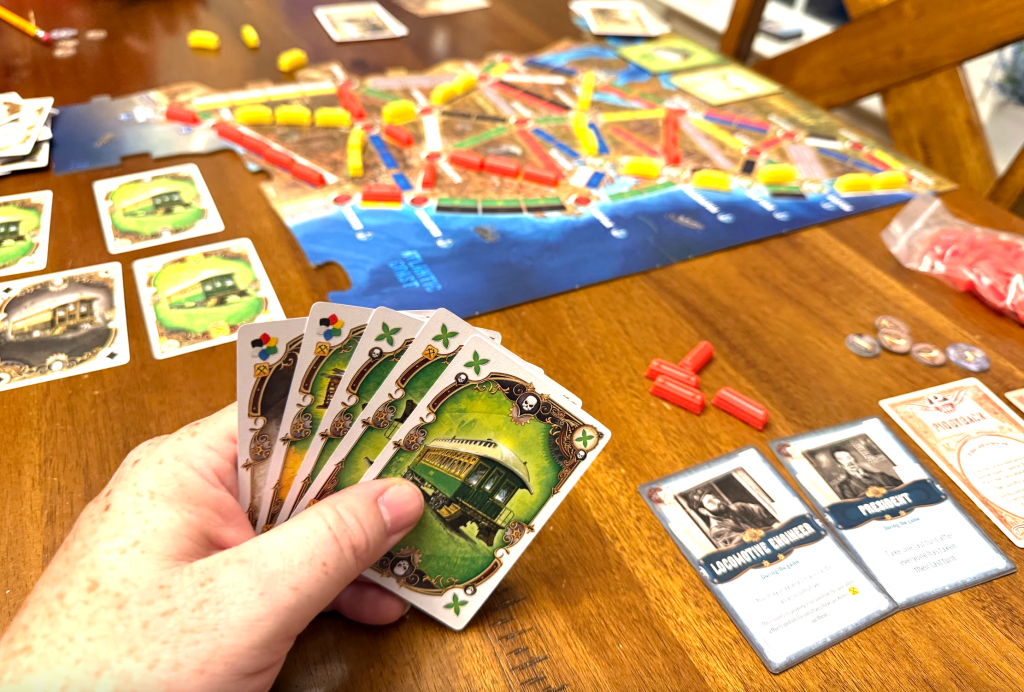
Games have solved this in many ways. One of the most obvious examples is in legacy games like Ticket to Ride: Legends of the West. In this game, you start with a small, very simple board and a very simple set of rules. Thanks to this, a player could play their very first game of Ticket to Ride and succeed in this legacy game. Over 12 games, new and more complex elements are layered in. I recently played through this game, and it was great to see how my daughter was able to ultimately play a game much more complex than she would normally have the patience for. And this was 100% due to the delayed release of complexity.
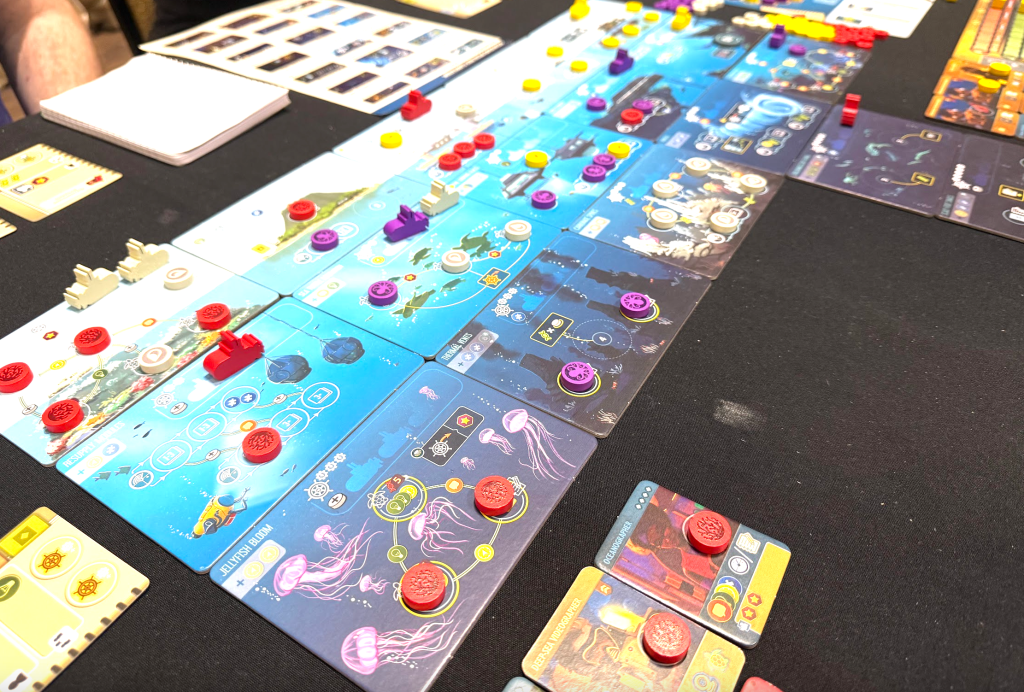
In the game Endeavor: Deep Sea, there are numerous tiles you might discover while playing the game. Each of these has special rules that govern how it works. Rather than teach every single tile up front, you just learn them as you go. In this way, you only learn the ones you need, and you’re likely to retain that knowledge because you are actively using it!
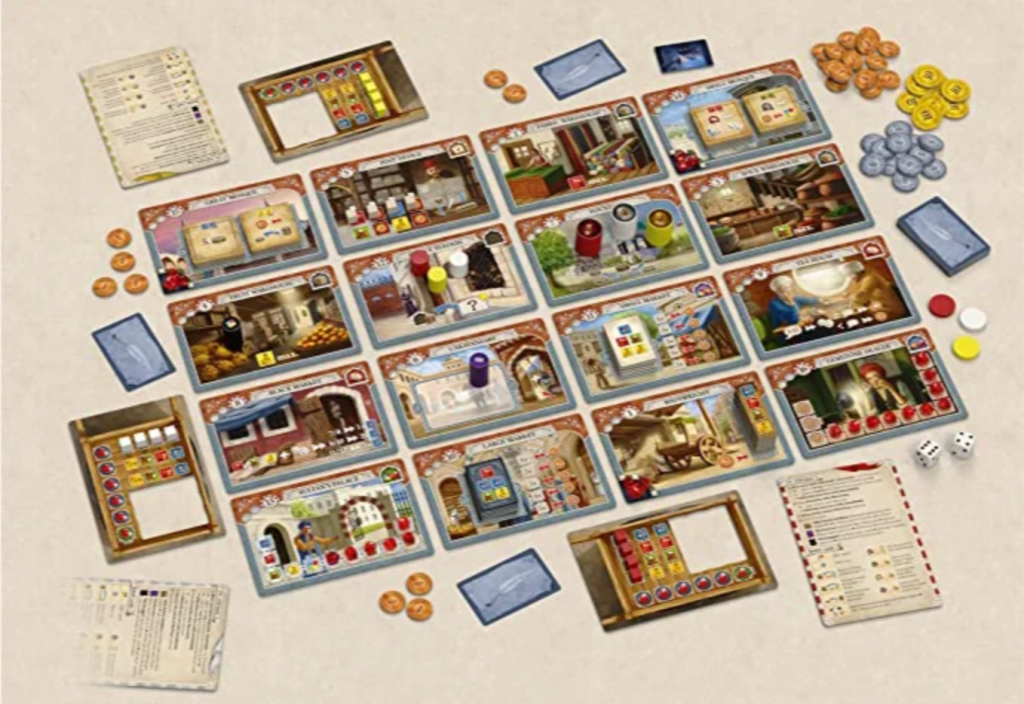
In contrast the game Istanbul has 16 tiles (or 25 if you use the expansions), and you have to explain every single one of them before you start the game. This always feels overhelming to new players. It is a great game, but this does make it a hard sell to some people. In this case, there really isn’t a practical way to kick the complexity down the road until players need it. Knowing what all the tiles do is core to forming a strategy.
Delayed complexity isn’t something people talk about a lot, but it’s something that can really have a positive impact on the player experience. What aspects of your game must be taught before play vs. what parts can be learned as you go? Can you alter your design to better support this? If you can, it’s worth doing as it will result in a smoother onboarding experience for new players.
