
What exactly does it mean to use unpredictable mechanics appropriately? I would say that a game is using randomness appropriately when it adds variety to gameplay that is essential to the game functioning. That is to say the game itself would simply not work if you removed the random element. However, if there is too much randomness, it can make a game worse. If there is no randomness, is it even a game? So doing this well means having just the right amount of unpredictability for the game.
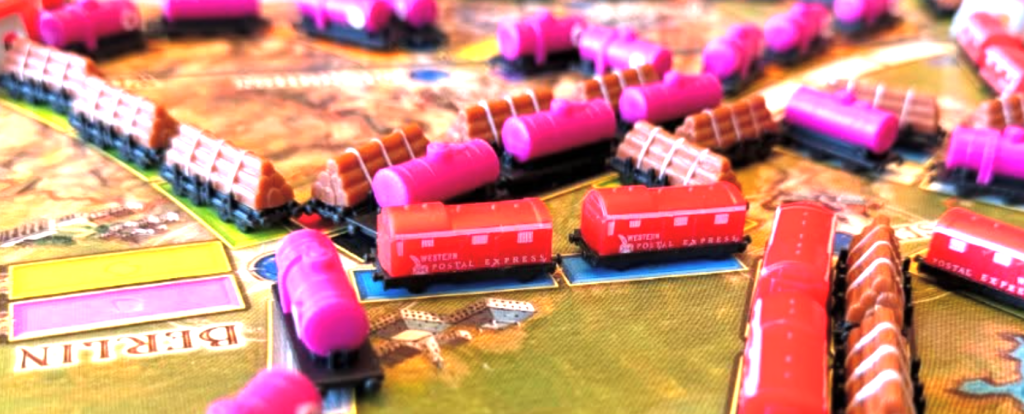
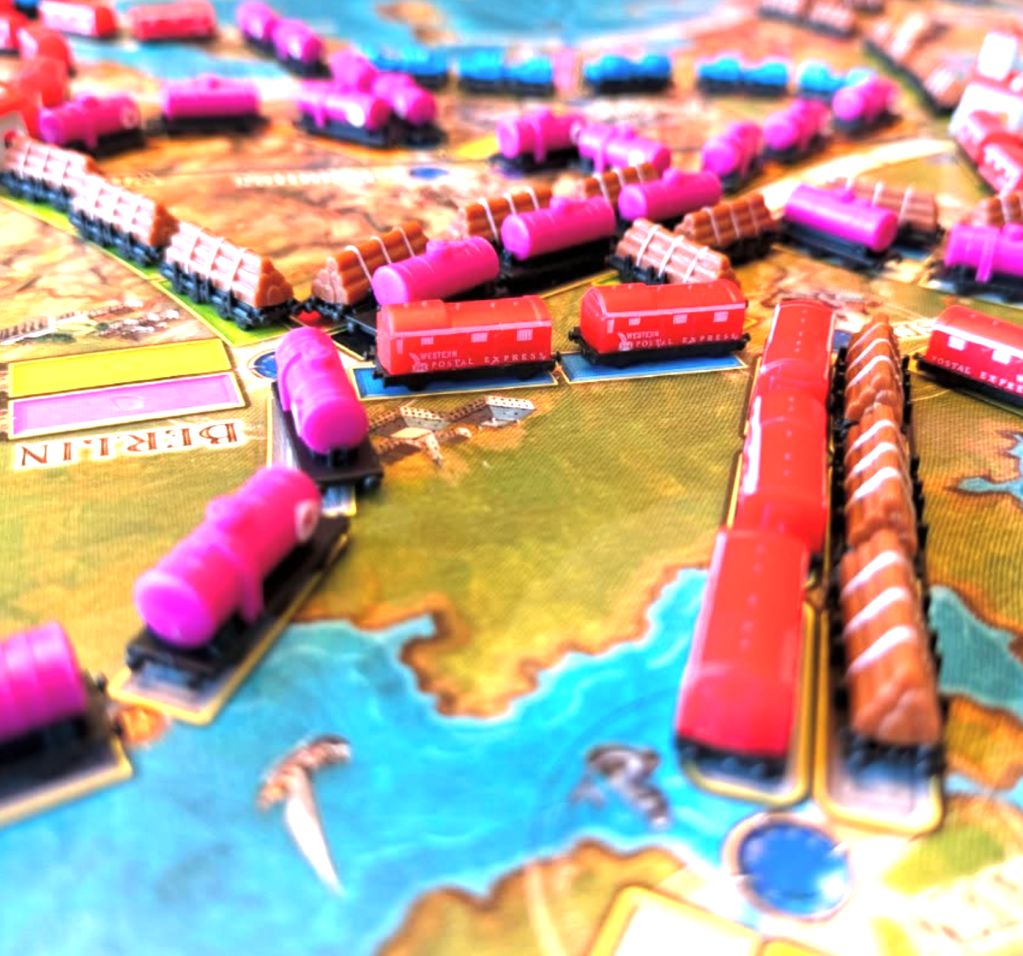
As usual, looking at examples of games will shed some light on this. First, I want to consider Ticket to Ride: Europe. This game has an interesting mechanic that is unpredictable. Certain lines are considered “tunnels.” For these, you have to decide the color you are using to build the route. Then you flip the top 3 cards of the deck. Any that match the chosen color (or that are wild) add to the number of cards you need to complete the route. So this simple 2-long route could become as much as a 5. This unpredictable element is wonderfully balanced because you can mitigate the risk by spending time collecting extra cards. Or you can press your luck and see if you can squeak by with fewer cards. It puts the power to manage things 100% in the player’s control. Not only is it well designed, it’s rather thematic. Digging tunnels is significantly harder than laying track on regular ground. This unpredictable element doesn’t wreck the game. It’s actually kind of a small detail. But it does create fun and stressful moments for the players.
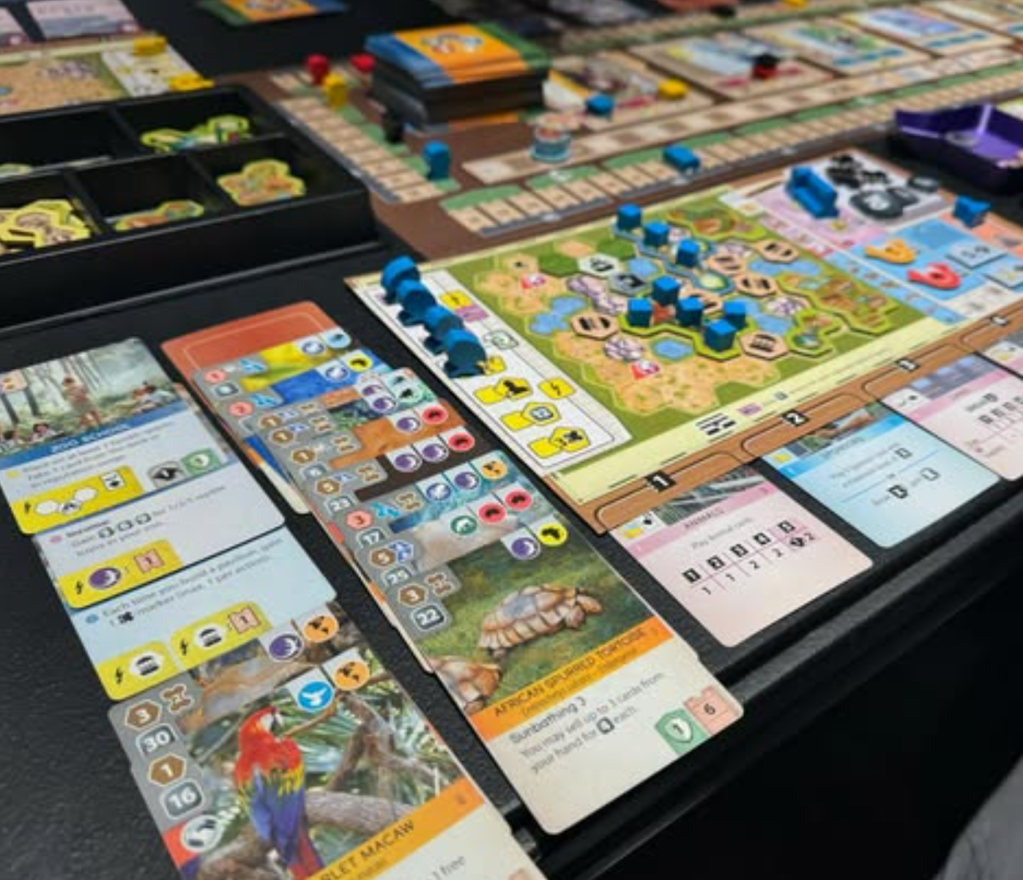
The deck of cards in the game Ark Nova is at least 6 inches tall. It has a lot of cards. On top of this, every single card is unique. You won’t typically see all the cards in the deck during a game, but you will come relatively close. This sort of this huge deck is obviously unpredictable. To ease the pain of trying to get cards you need, it has a flow of cards down the board. Cards will come and go with players able to snatch up the ones fitting their strategy. In this way, the unpredictable element is important, but players have lots of opportunities to reconcile it. Sometimes there are cards you don’t want early or that you don’t want later in the game, but since lots of cards are flowing, this is easy to work with. The point is that the randomness doesn’t result in chaos; it really just drives players to form a strategy and be able to identify when a card fits their strategy. And this is perhaps what makes the game so challenging when playing with more skilled players.
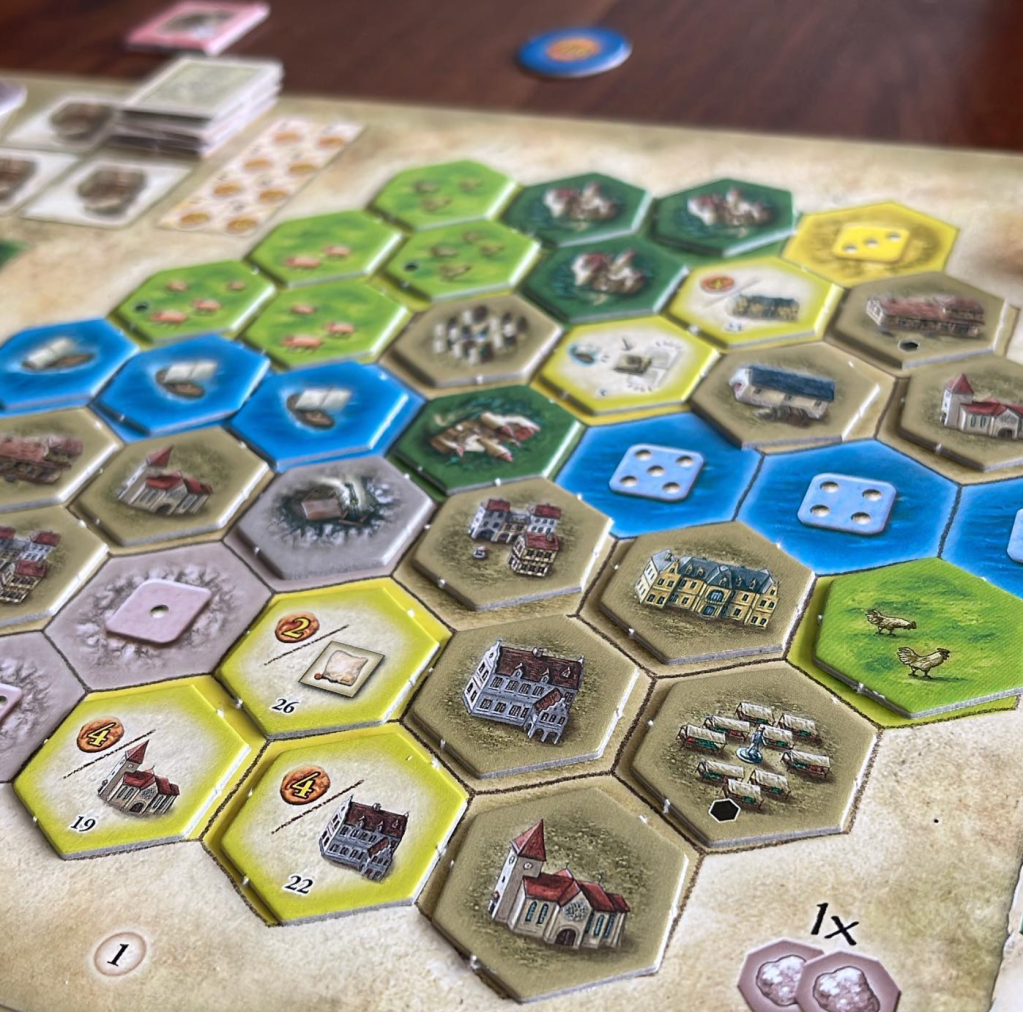
Castles of Burgundy is a game that has tight control over how it uses unpredictable elements. Most obviously, players are rolling dice, which will control what they are able to do. This input randomness forces players to make hard choices and leaves plenty of room for agency. It also effectively narrows what you can do, and by doing so, helps to avoid players doing the exact same thing every time. I believe that this is a key aspect of using unpredictable mechanics well. Does it force players to adapt their gameplay? Because without such a mechanic, a game just becomes a boring formula to follow.
A slightly less obvious way they have controlled unpredictable elements is the way in which the board is seeded with new tiles each round. You refill the market with a specific number of each color tile. This ensures that players will always have access to all the tile types, which is really important. But within each of those colors, there is randomness. For example, there are many kinds of pasture tiles with different animals. So players have to reconcile some randomness. Without these rails to keep the balance of tile types even, you would end up with games with a very uneven distribution of tiles, which would make the game feel chaotic and out of control. It’s interesting to see how they had to control the randomness to a degree.
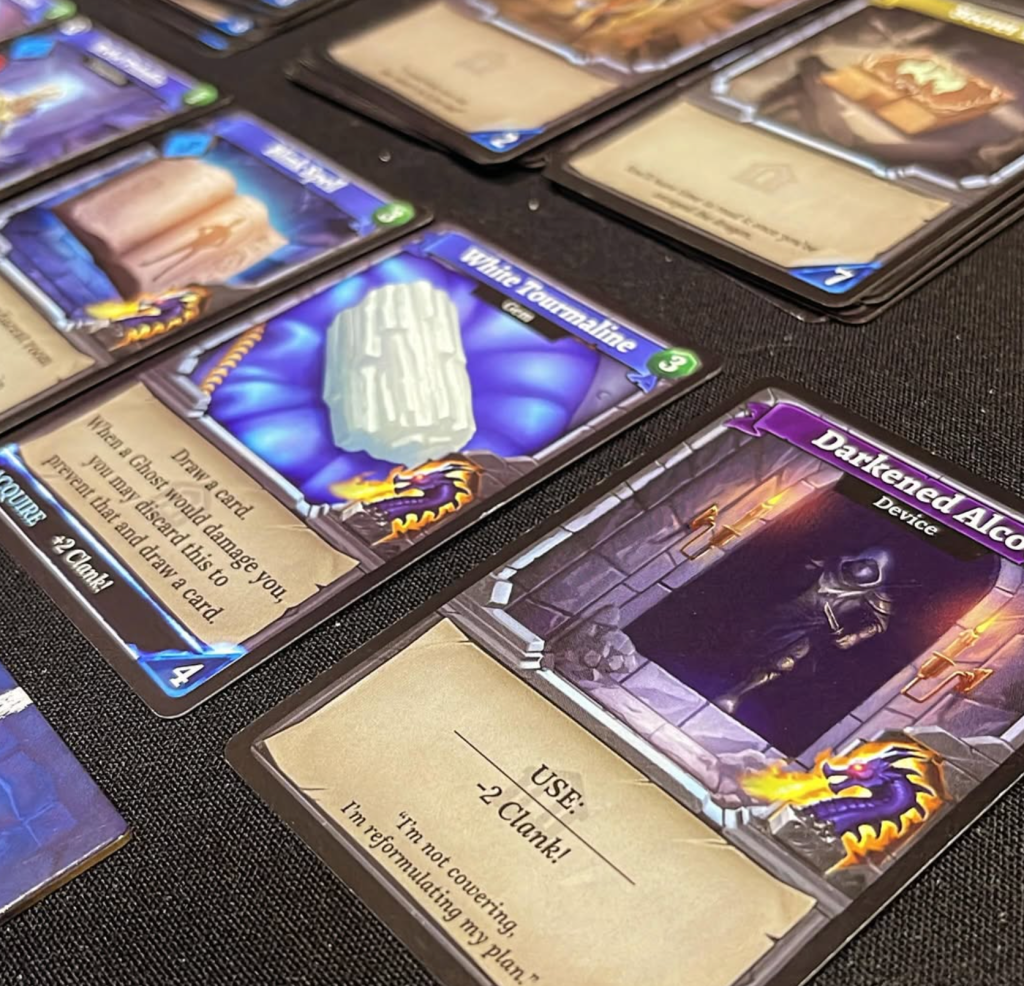
In some games, the most exciting elements are the unpredictable elements. Will I get the dice roll I need? Will I draw the right card at the right time? One game that uses unpredictability well and as a focus of the game is the Clank series. In this game, you try not to make too much noise. And when you do, you add your clank tokens to the draw bag. Later on, tokens will be drawn from the bag to see who has caused too much noise and gets some negative effects. It’s a fun, push-your-luck element that becomes an exciting moment in the game. In a way, the whole game is really centered around this one exciting use of unpredictability.
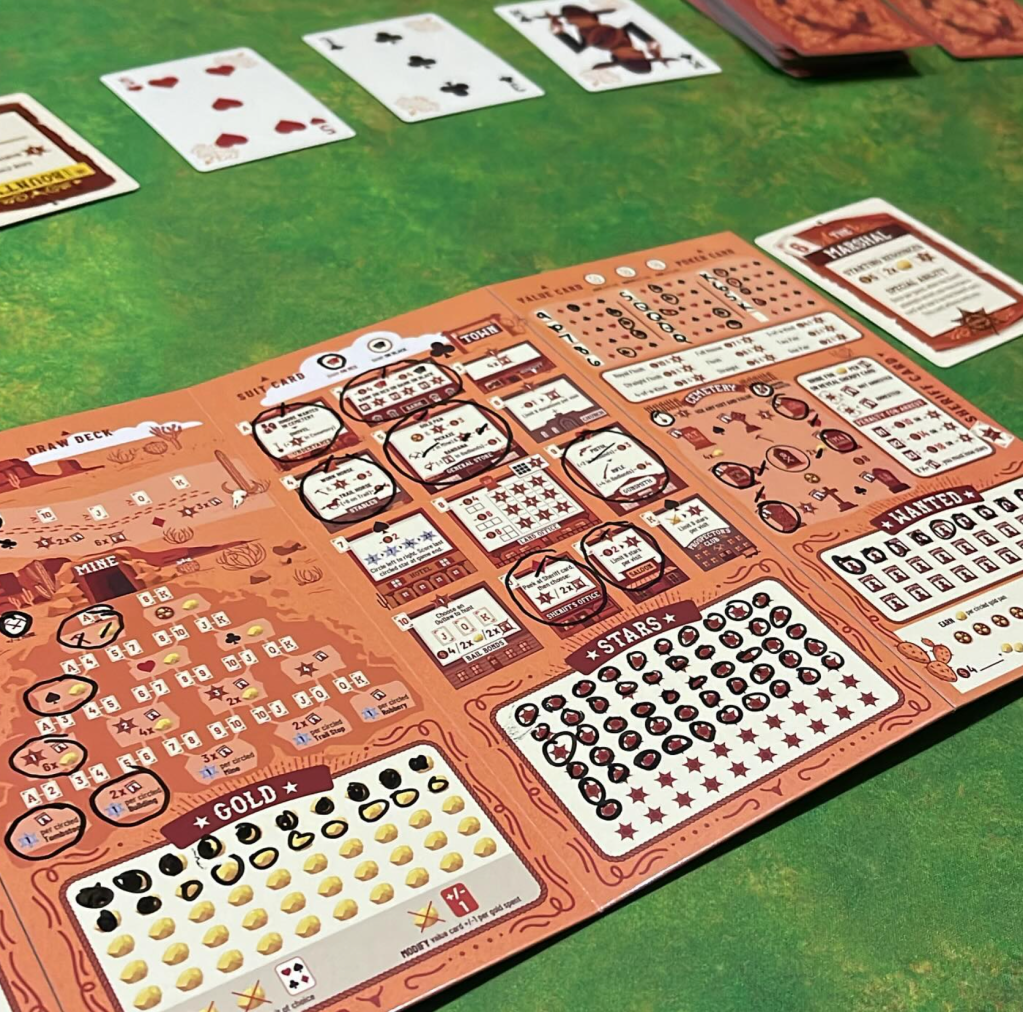
The game Fliptown is a flip and write that makes use of a standard deck of cards. This fits perfectly with the western theme of the game. Each turn, 3 cards are drawn. Players get to use those three cards on their boards. One picks the section, the other specifies which part of that section will be used. Finally, the 3rd card is used to build a “hand of cards” that will score at the end of the round. Obviously, it is unpredictable what 3 cards will come out. Thematically, this is really on target and brings the theme to life. Mechanically, it forces the players to make choices. Much like in Castles of Burgundy, the randomness filters what players can do. It is then up to players to do the best they can with what they have to bring their strategy to life. It is important to note that all players have to use the same 3 cards. So everyone has the same options; it’s just how you use them that changes things. It’s kind of funny to note that without this mechanic, it wouldn’t even be a game. The unpredictable element is literally critical to the entire premise of the game.
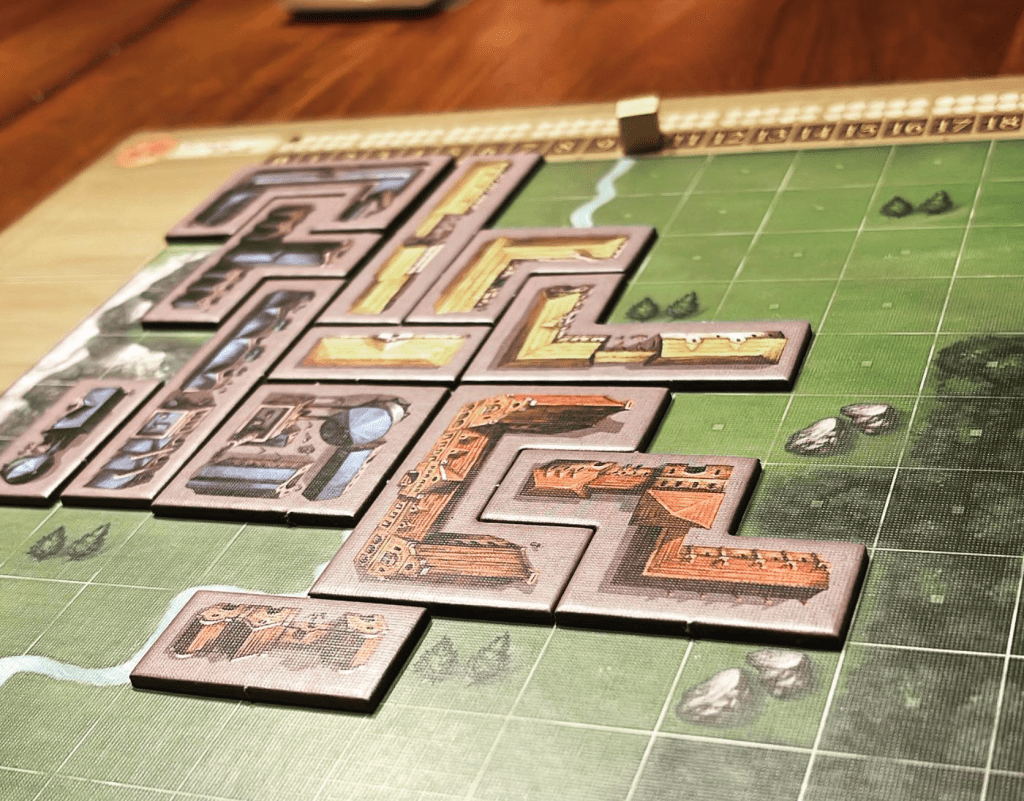
One interesting theme that emerges is when games have unpredictability that is applied 100% equally among the players. Games like My City fit this description. In the game, a card is drawn to determine which tile players must play. So the randomness of the draw is totally equal for all players. This is an interesting way to use extreme randomness in an equal way. Compare this to the way tiles come out in Castles of Burgundy, where there is a fixed tile type mix that comes out. My City is fully random, with all the cards shuffled together. In this way, you can and will get weird events happening, like 5 blue in a row or all the giant buildings at the end and so on. With My City, this is essential to the game. Without the random cards, there would not be a game here.
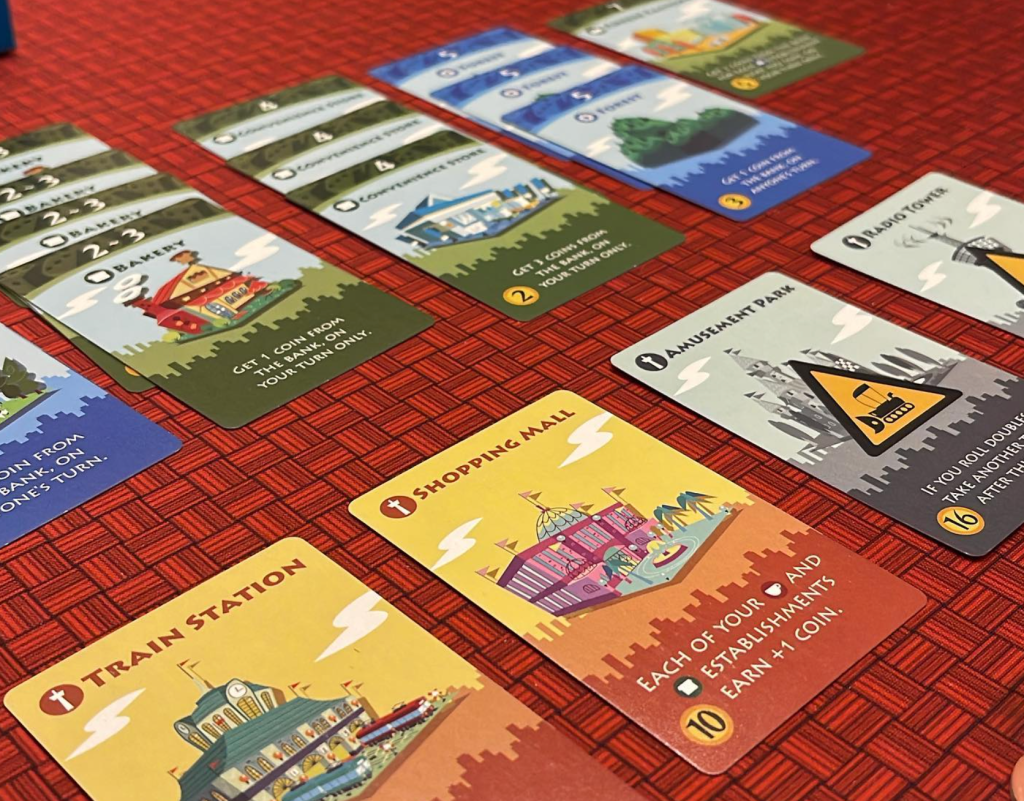
Another game that exists almost entirely due to an unpredictable mechanic is Machi Koro. In this game, you build a tableau of cards that correspond to the numbers 1-12. Based on a dice roll, all players collect the benefits from the matching number. Again, this game universally applies the results of the unpredictable element; it is purely up to the player to prepare for that randomness.
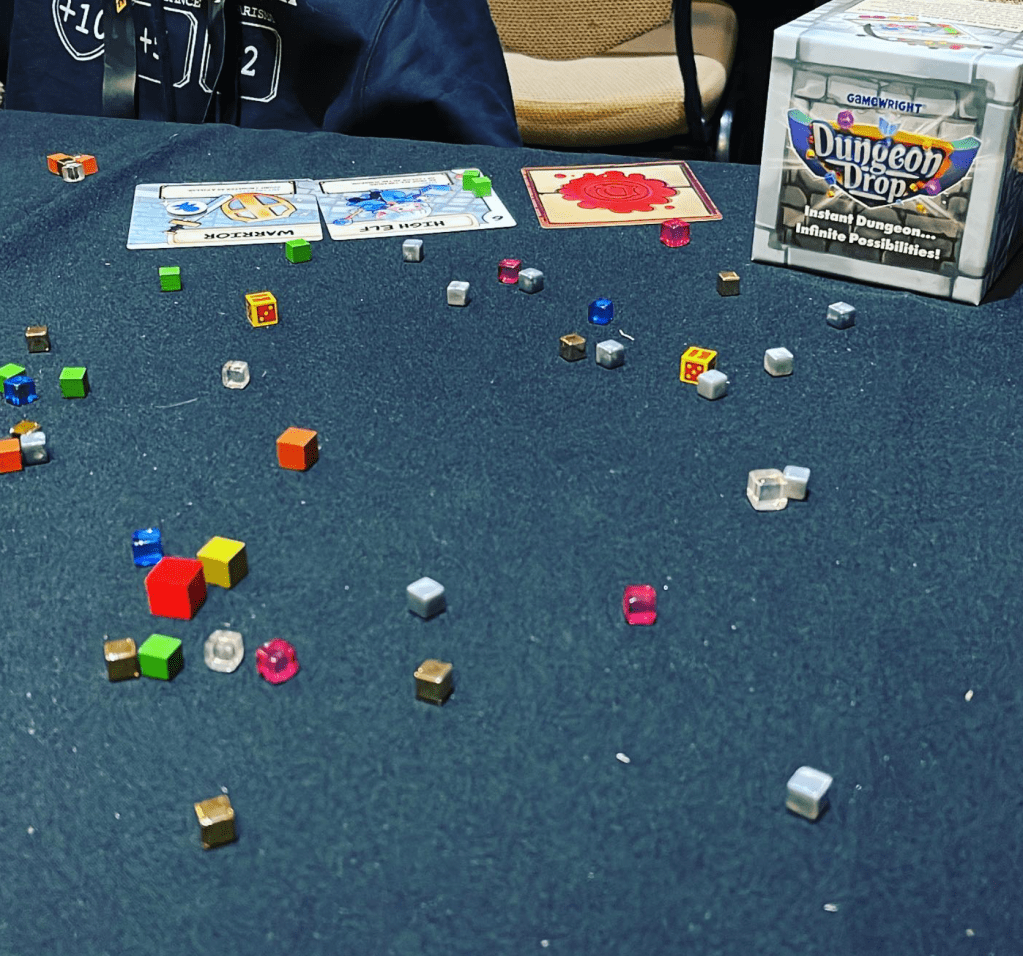
Finally, I want to look at Dungeon Drop. Again, this is a game where the unpredictable mechanic is the lynchpin to the whole game. At the start, you literally drop a big handful of bits on the table. The pieces fall and become the dungeon you are going to explore.
Conclusion
One of the more interesting things I have found when considering unpredictable elements in games is that oftentimes the best games use that random element as the core of the game. That is to say that whatever that mechanic is, the game literally would not exist if it weren’t unpredictable. What makes a game like War of the Ring so amazing? Well, we do our best to play out the game, putting the cards and dice rolls we get to the best use possible. Going through that experience, and dealing with the randomness of those events, is the heart of the game.
So what can you do with this? As you work on a game design, carefully consider what role unpredictable mechanics play in your game. Are they the core of the game? Are they too random, or not random enough? Is the randomness equally applied to all players? What can you do to make the game’s unpredictability the most important aspect of the game?
