

As a game designer, I can’t imagine wanting anything more than to create a game that leaves players wanting more. This is obviously a reflection of a positive player experience. But we all know there are plenty of games we never want to play again or that we just kind of feel meh about. I know that looking at my own game shelves, there are several games I enjoy, and yet I just have no desire to suggest we play them. So what does it take to create a game that makes players want more? I want to consider a number of ways other games have achieved this for myself, my family, and my game group. Many, if not most, of the games featured here trigger multiple of these factors, perhaps adding to the instant desire to play it more.
I built an awesome engine
It seems that the most obvious place to start is with games that let you build an engine. In these games, you are assembling components that power you up, such that turns later in the game get progressively stronger and stronger. When a game like this ends, you frequently find yourself just wanting a few more turns so you can watch the fireworks as you achieve amazing things in the game.
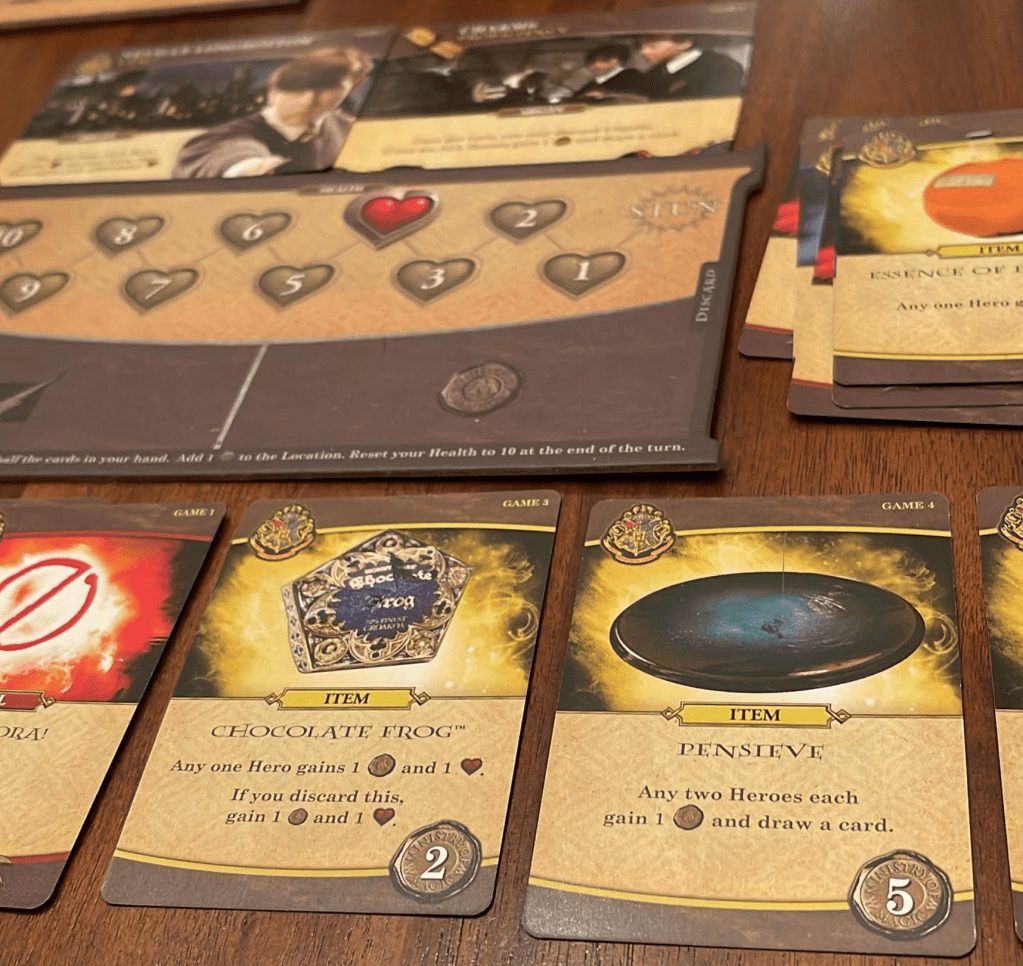
One game that achieves this is Harry Potter: Hogwarts Battle. In this co-op deck builder, you are fighting to defeat the game. You start in year 1 and play through all 7 years. You can’t progress to a new year until you beat the first one.
This game absolutely leverages the fun of building an engine, as most deckbuilders do. Over the course of the game, you buy new cards and turn your deck into something amazing. By the end of the game, you are able to pull off huge turns that feel exciting and thematic.
But there are other aspects of this game that make players want to play it again. Two things in particular stand out. First, its Harry Potter themed. So if this is something you love, it’s even more likely to be an addictive game. Secondly, it’s a legacy game. This means that as you progress to each new year, you get to open boxes and add exciting new content to the game.
Another game that lets you build up an engine to do awesome things is Terraforming Mars. As you build your tableau of cards, you power up and are able to achieve more and more in the game. This feeling of momentum ties in directly to the notion of building an engine. Compared to Battle for Hogwarts, though, this game is much longer to play. At the end, you will want just a few more rounds to run your engine at its top performance just a little more. And this leads to a slightly different kind of desire for more. You want a little more now, but you might not be ready to start up another 4-hour game of it. This is totally reasonable because the desire for more lingers, and this is why the game finds its way back to the table over and over. There are several people in my game group that will instantly say yes to this game for this reason. They just want more.

While Terraforming Mars is a sprawling and very long game, there are also really tight and small ones that leave players wanting more. Games like Project L do just that. In this game, you collect pentominoes which you use to complete cards. But you get to keep the pentominoes after you have finished one. This means your collection grows and you get stronger/faster as the game goes on. It is a lot of fun to do a master builder action and finish 3 cards all at the same time. Players almost always finish this game wanting a little more and certainly ready to play it again. The speed of the game makes it an easy choice, especially when combined with how satisfying it is to play.

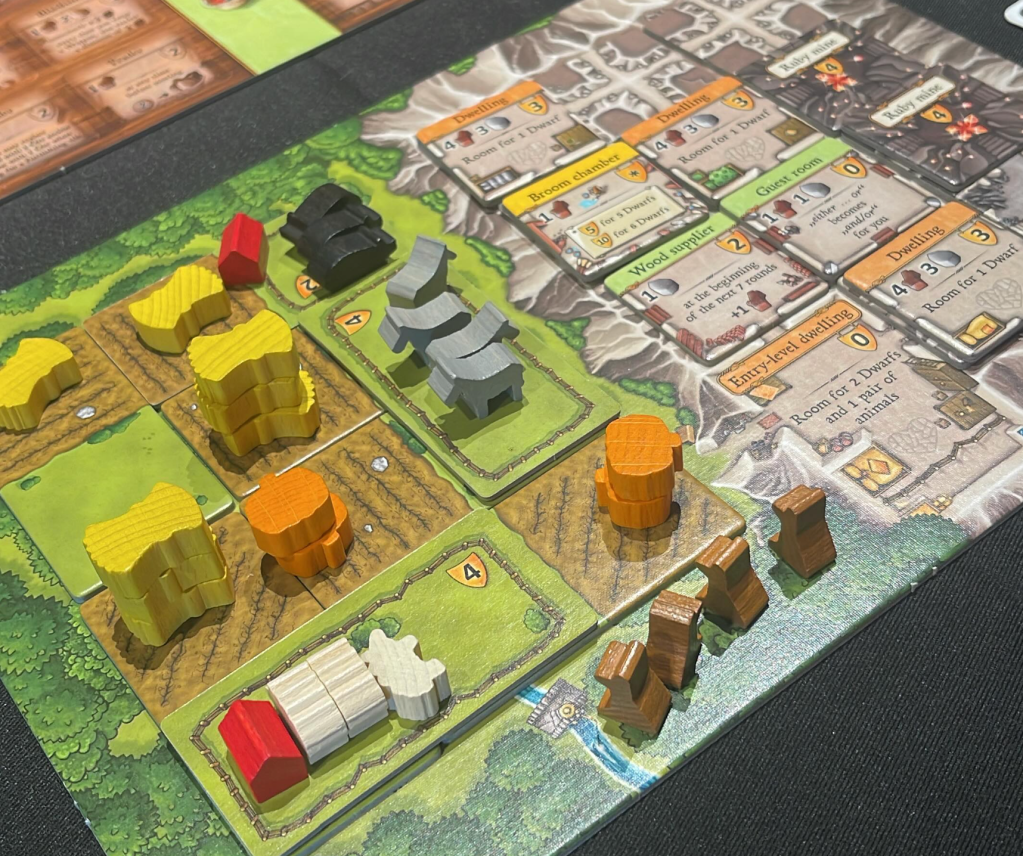
The last game I want to consider from an engine-building perspective is Caverna. This game ends, and you just desperately wish you could have a little more time. Your actions grow stronger, you acquire more workers, and you build a more efficient engine. Everything about this game progresses in a way that leaves you wanting more.
I just need 1 more turn!
Some games leave you wanting more time with your creation, while others leave you desperately wishing you could just have one more turn. There is a subtle difference. In a game like Imperial Steam, where resources are excruciatingly tight, you always end the game desperate for just another turn. This is such a more exciting and interesting way to end a game. Imagine the opposite, with a player saying, “Well, I have nothing interesting to do; I guess the game is over.” In Imperial Steam, you will desperately need one more turn, and this will lead you back to the game later. It is interesting to observe, though, that playing Imperial Steam is stressful, and you won’t want to play it again right away. But in time, you will want to visit it again and again.

Another game that runs so tight it leaves you hungry for just one more action is Underwater Cities. First, the game is just a fun game that will make you want to play it more. But it also has that feeling of being so tight that you wish you could just squeeze a little more out of it.

Legacy addiction
One niche of games that have figured out how to leave players wanting more is legacy games. In a legacy game, you typically open boxes or envelopes between games, permanently modifying the game. This is definitely an exciting moment that makes you super eager to jump back in and see how it works. In games like Gloomhaven, this leads to a natural tendency to play several games back to back. This constant hunger for more is what we see in digital games like Clash of Clans.

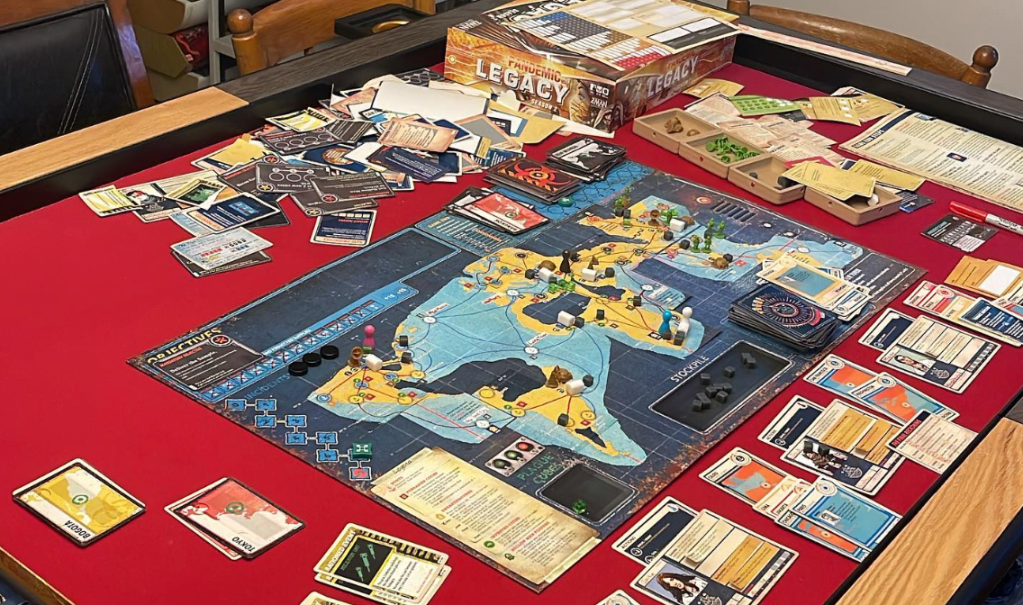
Another legacy game that leaves you feeling this way is Pandemic Legacy. Shown below is Season 2 of this game nearing the end of the campaign. The way the games build on each other and modify the gameplay leaves you wanting another round. Combine this with the fact that each game, in this case, is not really that long, and you have a very sticky combination. I actually played through the entire campaign while on lockdown for COVID.
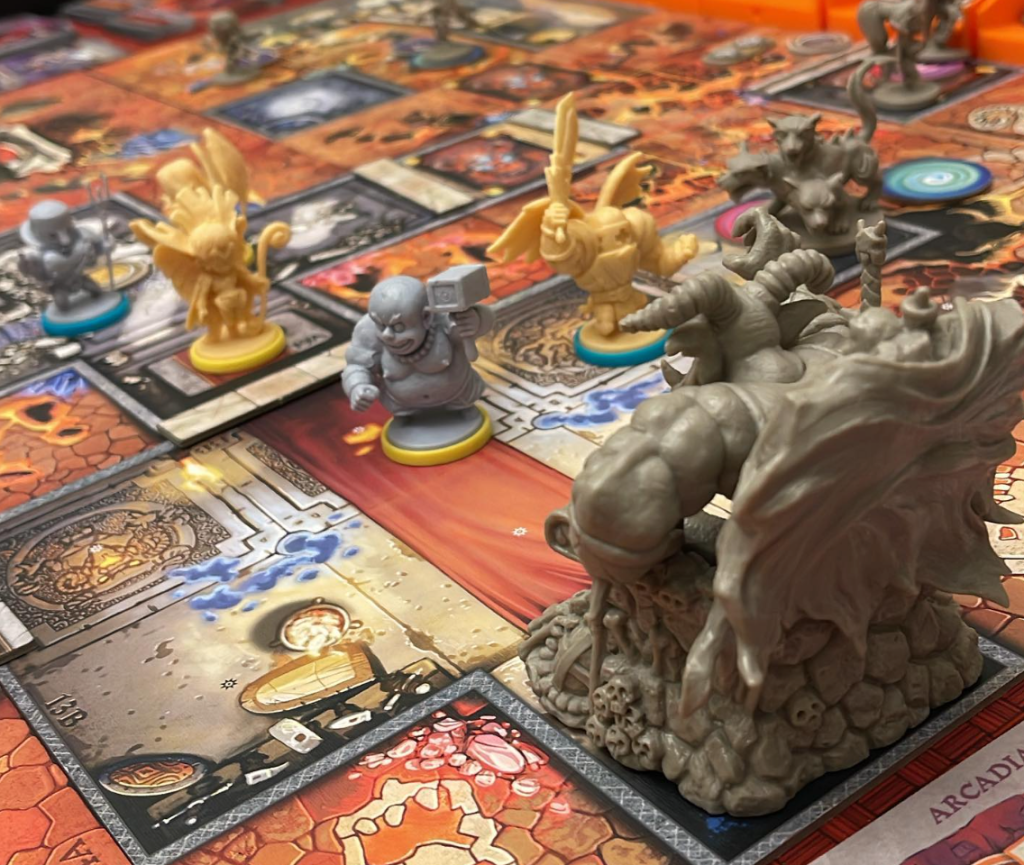
Another great example of this is Arcadia Quest. When you finish a game, you get to upgrade your characters with new equipment, and the farther you get, the more powerful that equipment is. It is a game that you feel compelled to leave out so you can keep playing it. Again, the legacy-style play creates a hunger for more.
The time to sophistication ratio
One thing I have noticed is that sometimes a short game, with few components, but lots of strategic space to explore can leave players wanting more. Games like Innovation just have a deck of cards divided into subsets that the players will slowly have access to. The game is not uber complicated, but there are countless paths, combos, and strategies to explore. I think of it as a time-to-sophistication ratio. These games are short but with lots of depth. Compare this to a game like Yahtzee!. This is another short game, but it’s low on sophistication. For the average adult, one round of Yahtzee! is more than enough. In contrast, Innovation leaves you wanting more chances to try different things.

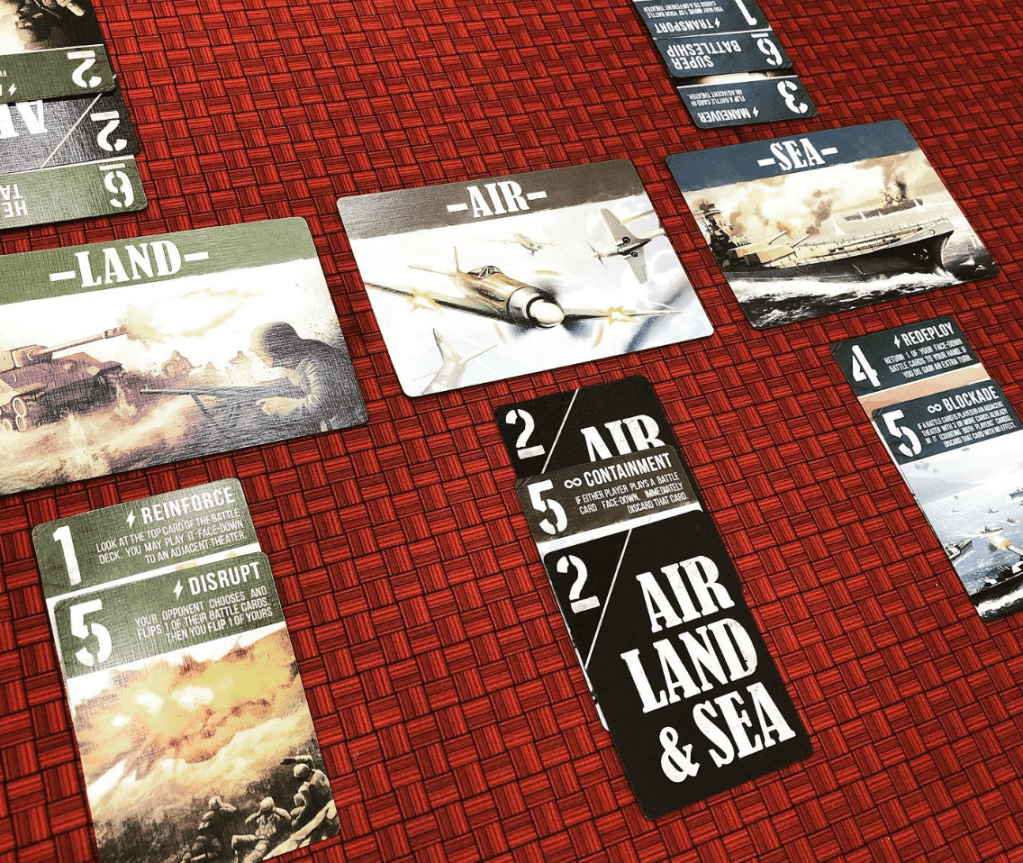
Air Land and Sea is a simple 18-card game. Despite this, the designer has managed to pack so much into the game. Every choice you make is important and can turn the tide of the war. Knowing when to retreat and try again is key. It all comes together and creates so much space to explore. It is truly an amazing 18-card game, and it always leaves you wanting more.
Unlimited possibilities!
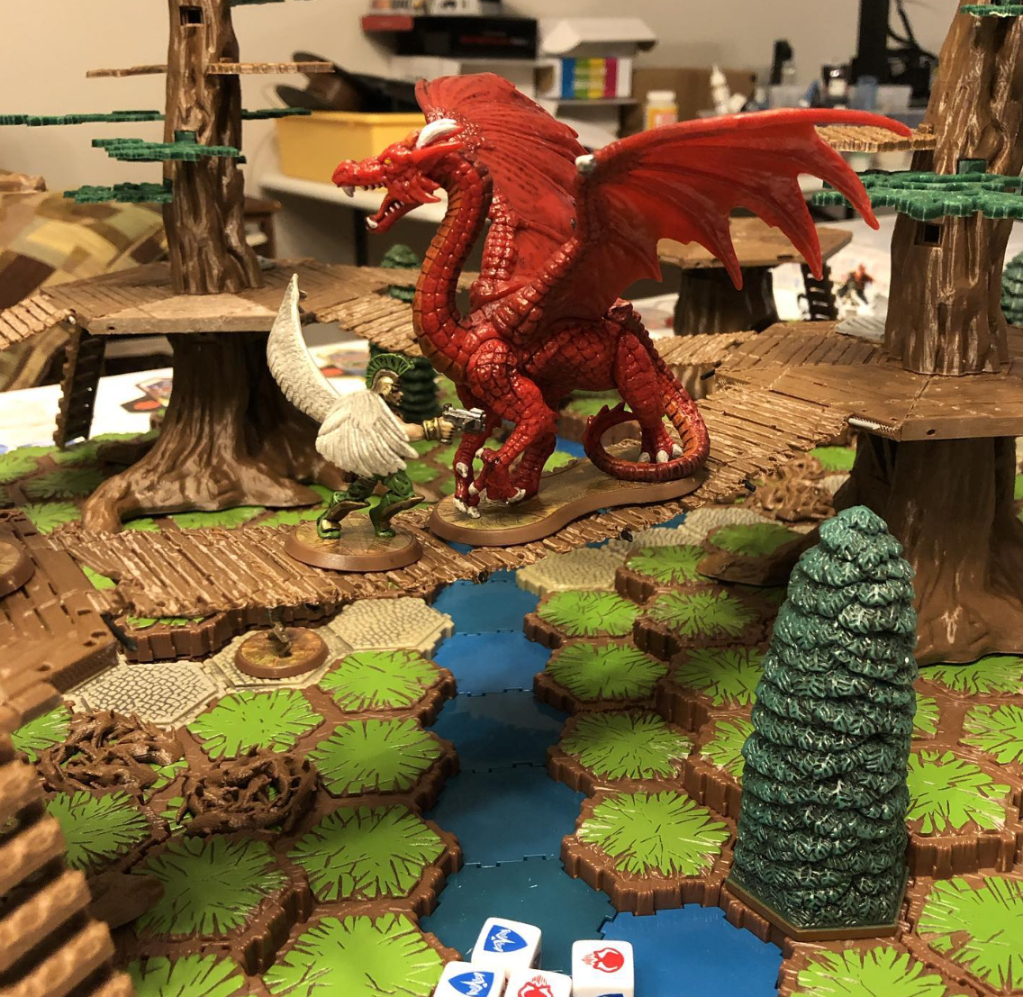
Another way games leave players wanting more is by offering unlimited possibilities. Look at a game like Heroscape. There are dozens of characters to pick from, multiple terrain types, and various game formats. All of these have unlimited possible combinations. It is this world of possibilities that leaves you wanting more. The fact that this game was discontinued 15 years ago and has had a loyal fanbase that entire time is a testament to just how much players want more of this game. They did, in fact, bring it back and are producing new content for it. The game sparks the imagination and makes you want to try out all the combos.
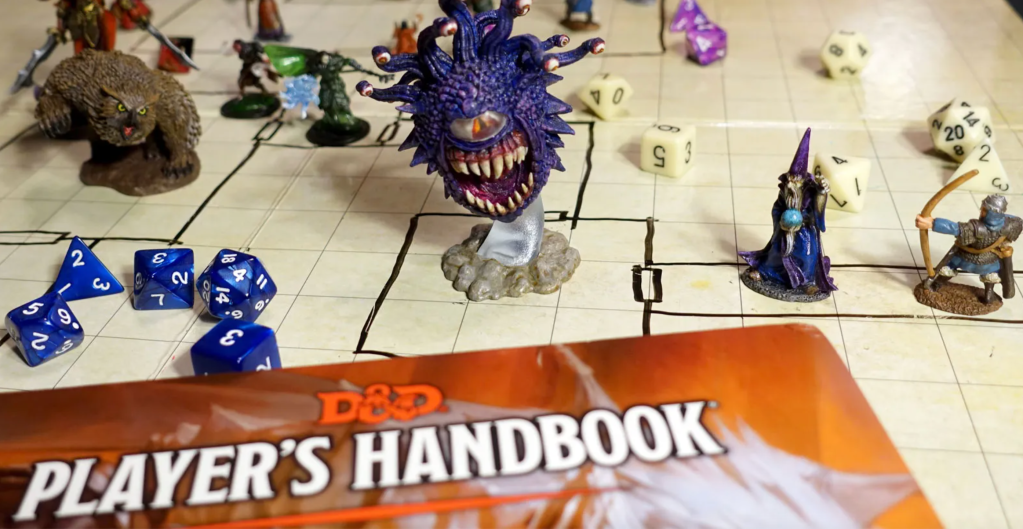
There are so many reasons to love Dungeons & Dragons; a game which definitely leaves you wanting more. So much so that people will play the same campaign for many, many years. What keeps them coming back? One of the primary things, imho, is that there are unlimited possibilities and players want to see what they discover or experience next.
Epic experiences
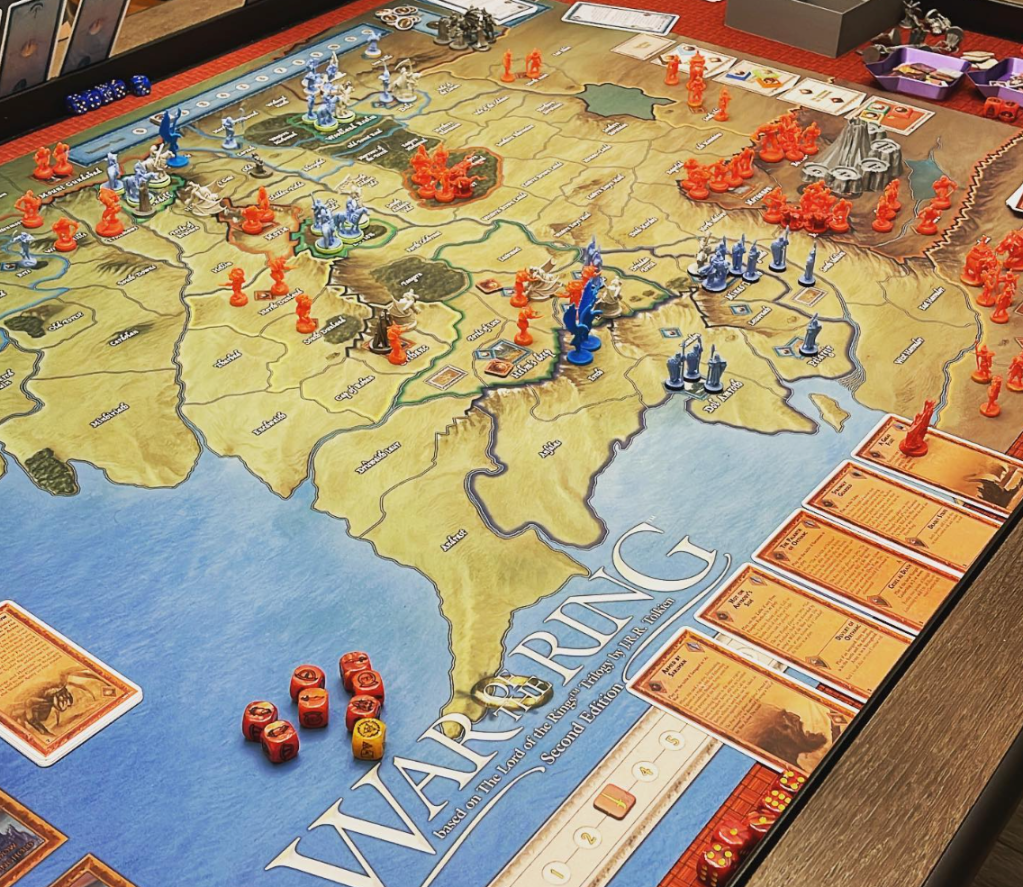
Some games will engage players by creating epic experiences. In some cases, this might be tied to an IP that is known and loved. Such is the case with War of the Ring. The game is truly an amazing and epic experience. Each time I play it, I feel satisfied to have gone through the experience. But inevitably, we will find ourselves longing to play it again and relive that experience.
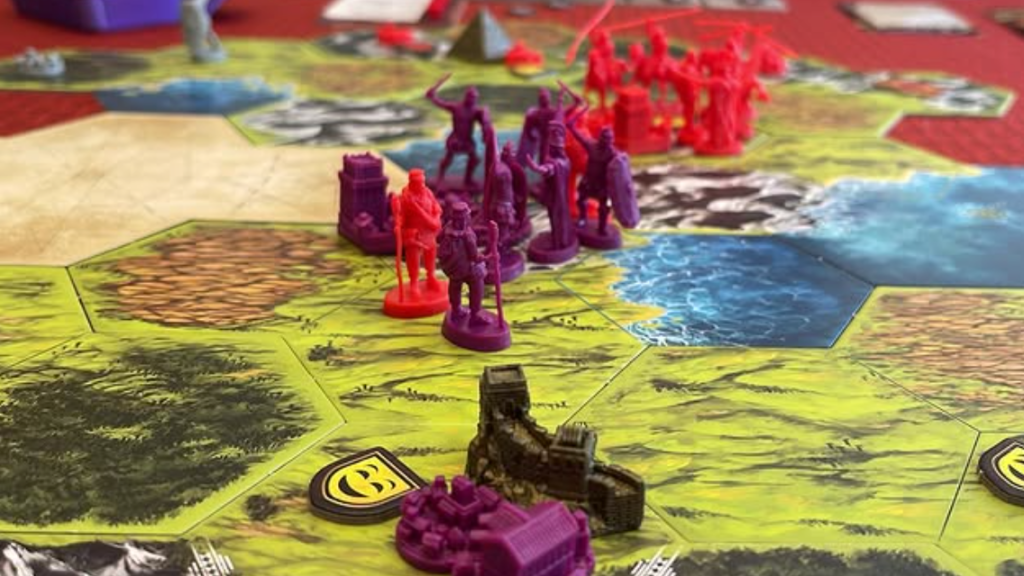
Another game that creates an epic experience is Clash of Cultures. While not based on an IP, it still has a big epic feel to it. Part of this is due to the time it takes to play. But another aspect is the scale, number of options, and theme that it uses. You feel like you’re exploring and building a civilization, and it’s a great feeling. Again, there is a reason we return to this game over and over. It just leaves you wanting to experience it again.
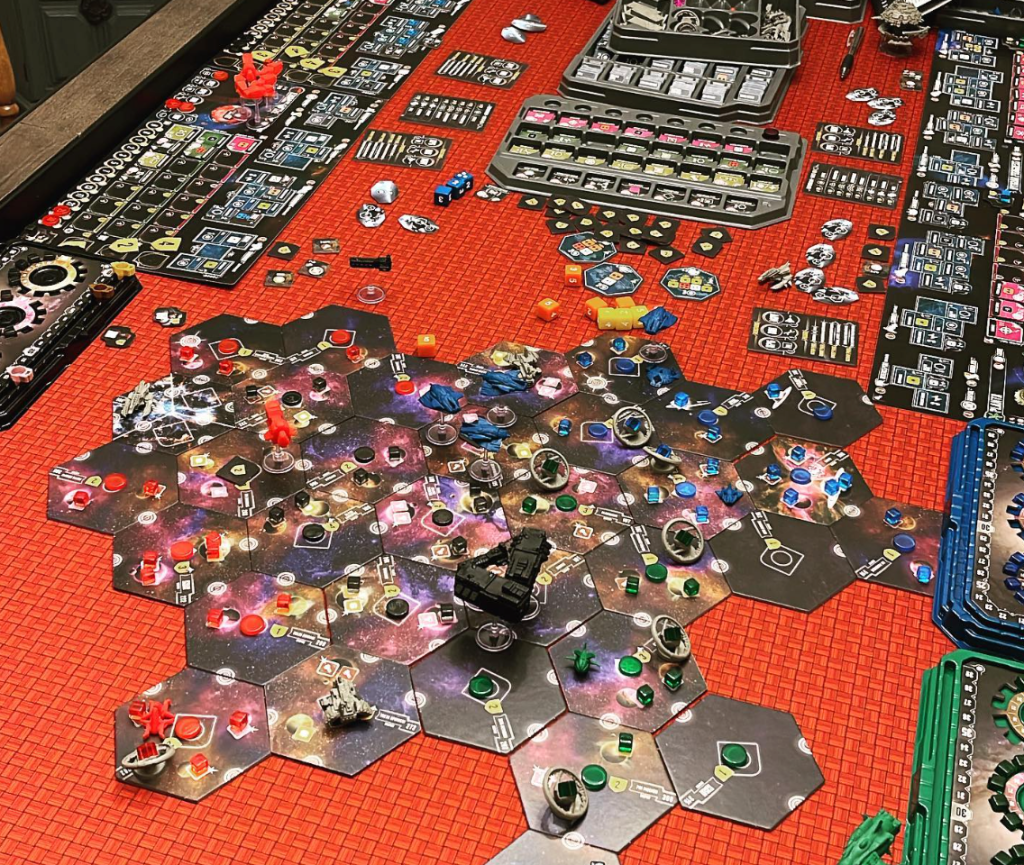
Finally, I want to look at Eclipse: Second Dawn for the Galaxy. This epic space game takes quite a while to play and creates an epic shared experience. This epic game has a fixed number of rounds, which is interesting to contrast with a game like War of the Ring, where the game goes until someone triggers the end. I mention this because Eclipse has that epic feel, which makes you want to play it more, but it also has a fixed ending. This will 100% drive players to a big, almost cinematic ending of the game, where there is a final clash to claim all the points one can. It delivers on that epic feel and creates an awesome player experience.
Bringing it all together
As you can see, there are numerous ways to create a game that will leave players wanting more. But how do you know if you have succeeded? It’s relatively simple. Do you have anyone asking to play the game again? If so, that’s a good sign. You can even ask players: “Can you see yourself playing multiple games of this back to back?” Out of the dozens upon dozens of prototypes I have created, there is only one game I have created that had this effect. When it comes out, everyone wants to play, and they all want to play it repeatedly. It is painfully obvious which of my own designs excel at this. With a little observation and a few questions, you should be able to see if you’re hitting this target and you will know if your game leaves players wanting more.
