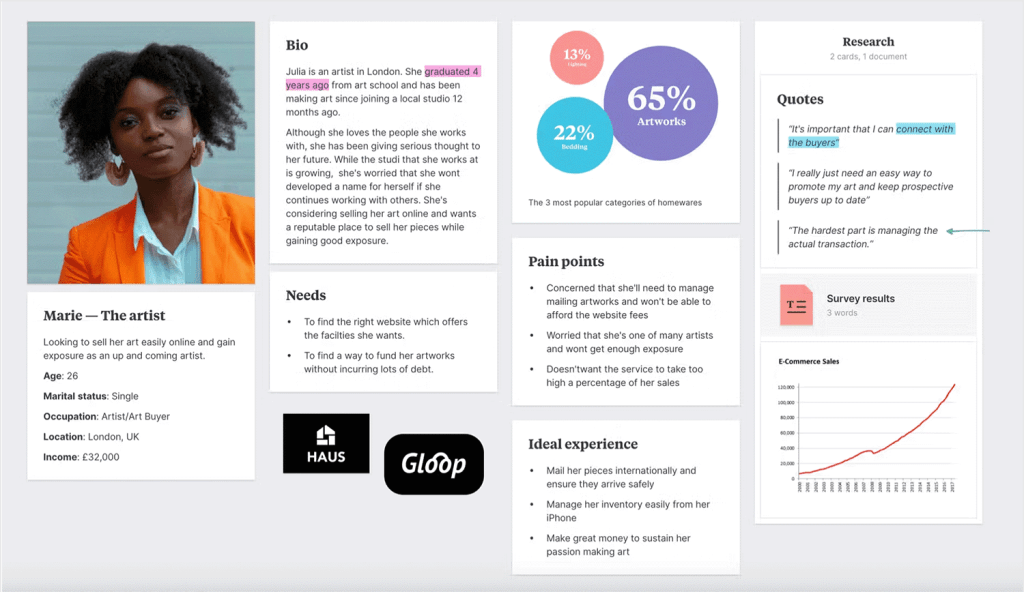
An important tool in the world of UX design is the persona. It is used to describe your user base by breaking them into groups and giving them key traits and names. The idea is to remind the designer or developer that they are building a product for someone other than themselves. It doesn’t matter if you, the designer, understand the product – of course you do, you designed it – but rather, does the user? Personas are used to increase empathy for your users and to make it easier to defend user-centered design solutions.
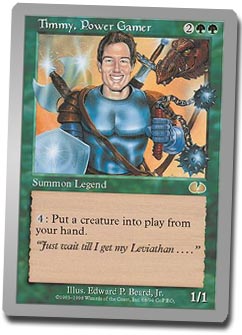
Board game design has very similar needs. As board game designers, we are creating games to be played by people. Most likely, we are designing games to be enjoyed by non-game designers. This great article by Mark Rosewater of Magic: The Gathering fame shows how they use personas to keep their target audience in mind as they create cards for Magic: The Gathering.
Although I think of them as personas, Mark refers to them as Psychographic Profiles. This led me to discover something I hadn’t considered before in game design, aesthetic profiles: the notion of segmenting the audience based on their aesthetic expectations. In interface design, it is well established that aesthetics play a key role in the usability of an application. And of course, I translated this to game design. Even in the prototyping stage, I believe that aesthetics play a big role in determining whether we like a game or not. But what I had not considered is the importance of creating a persona of the types of aesthetics your audience is looking for.