
The field of UX is research-based. That is to say, the basic idea is we don’t know what users want; we have to go talk to them to find out. On top of this, all the methods and guiding principles of UX are based on research. From that research various principles and laws have emerged. One such law that has been well tested and circulated is known as the Aesthetic-Usability Effect. This law states that:
People generally think that a nice-looking design is also easier to use.
As it turns out, when an interface is aesthetically pleasing, users will perceive it as being easier to use. They will often be more inclined to overlook usability problems and will generally rate an experience more positively based on how it looks. This has some rather practical applications in board game design that we might consider.
Aesthetics and prototypes
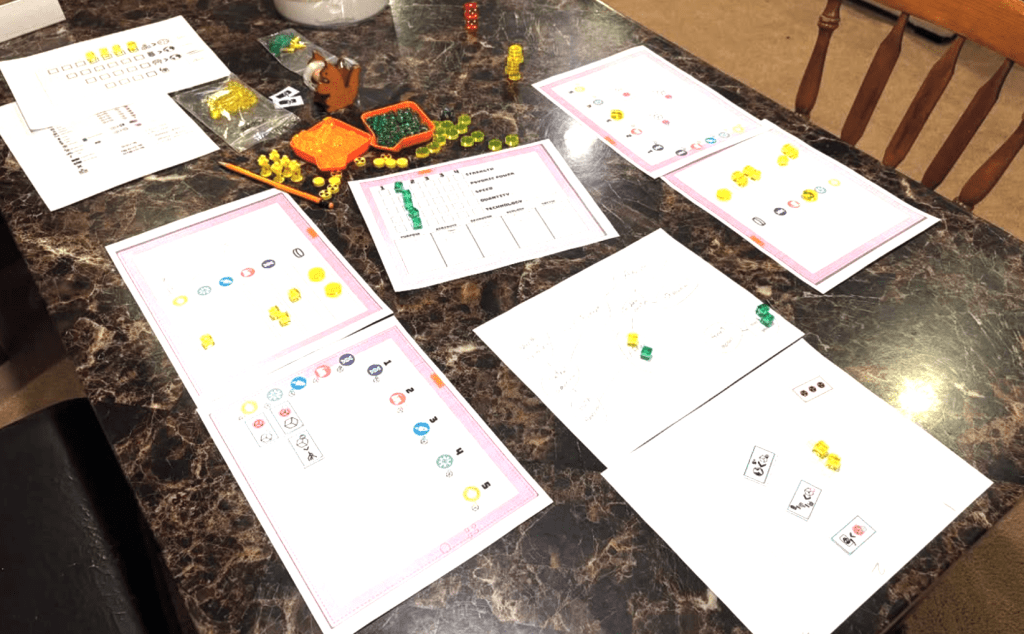
Most often, board game prototypes are terribly ugly. Designers are typically encouraged to NOT spend much time on how they look. These prototypes are not meant to be permanent or beautiful; they are stepping stones to the end result and are typically thrown away. Oftentimes, early prototypes will be discarded and replaced almost as fast as they are finished. Spending less time on them is almost always a good idea.
But what about this principle that says people will like something better if it’s beautiful? Well, it definitely means that the look and feel of your prototype won’t add to the perceived ease of the game. So this is important to keep in mind. In my experience, I can tell when I am ready to move on to higher fidelity designs when the game is functioning smoothly despite it being in a rough form.
Don’t be tempted to use this as an excuse for a poorly functioning game, though. A solid game will still play well as a prototype, and that is the goal. The real trick seems to be that some types of players just can’t look past the ugly. There will be times when you test a prototype and it is poorly received simply because it’s ugly. It is a good reminder that as the designer, you have to know what feedback to receive and which to ignore. Some good follow-up questions will help you figure out if this is the case. Some questions might be:
- What was your least favorite aspect of the game?
- What did you find most confusing in the game?
These questions will help you start to figure out if the player is having trouble seeing past the prototype.
Aesthetics in finished games
So what does this look like in finished/published games? As an overall industry, the aesthetic qualities of games have progressed to a very high level. That is to say that most games released now have very well-refined designs.
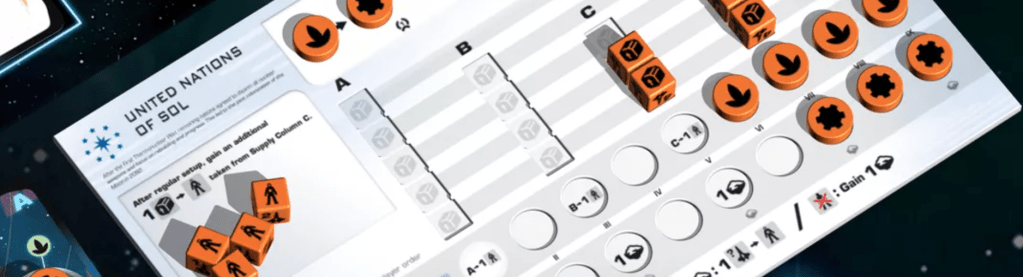
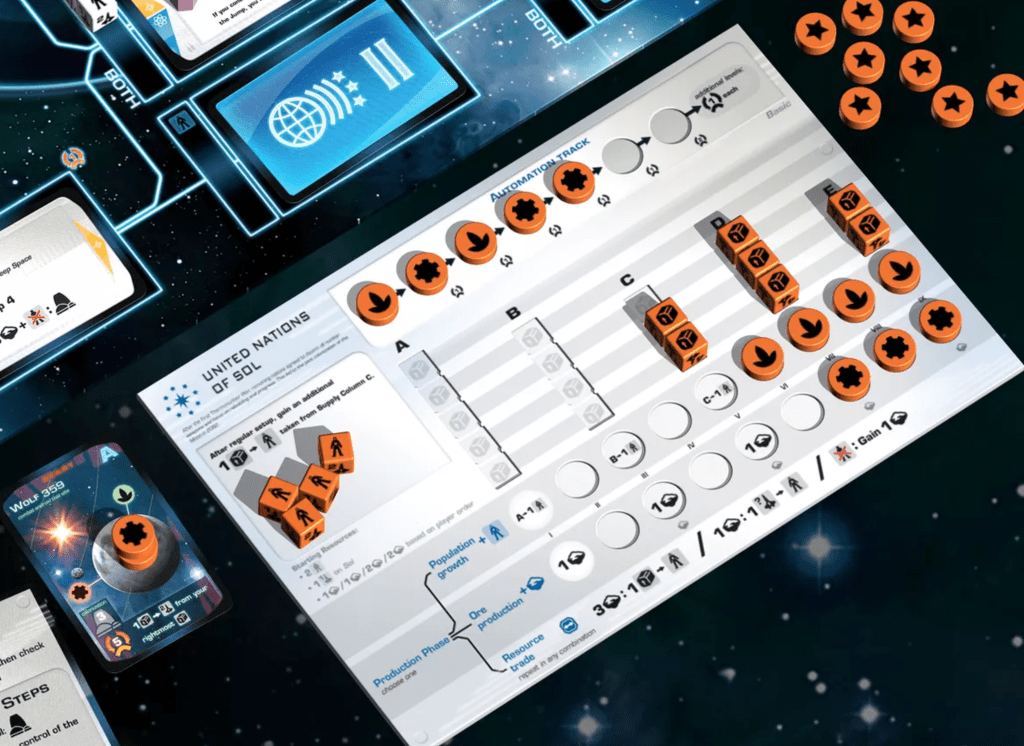
One game I wanted to focus on is Beyond the Sun. This is a top 100 game on Board Game Geek, which is seriously impressive. I would not describe the art or design of this game as bad. Rather, I would say that it’s a bit bland when compared to many other games being produced. The mechanics of the player boards work really well and are easy to understand. But they feel more like a spreadsheet than a game. Again, it’s not “bad”; it just doesn’t add to the overall value of the game. I can’t help but wonder if the visuals affect how players view the usability of the game.
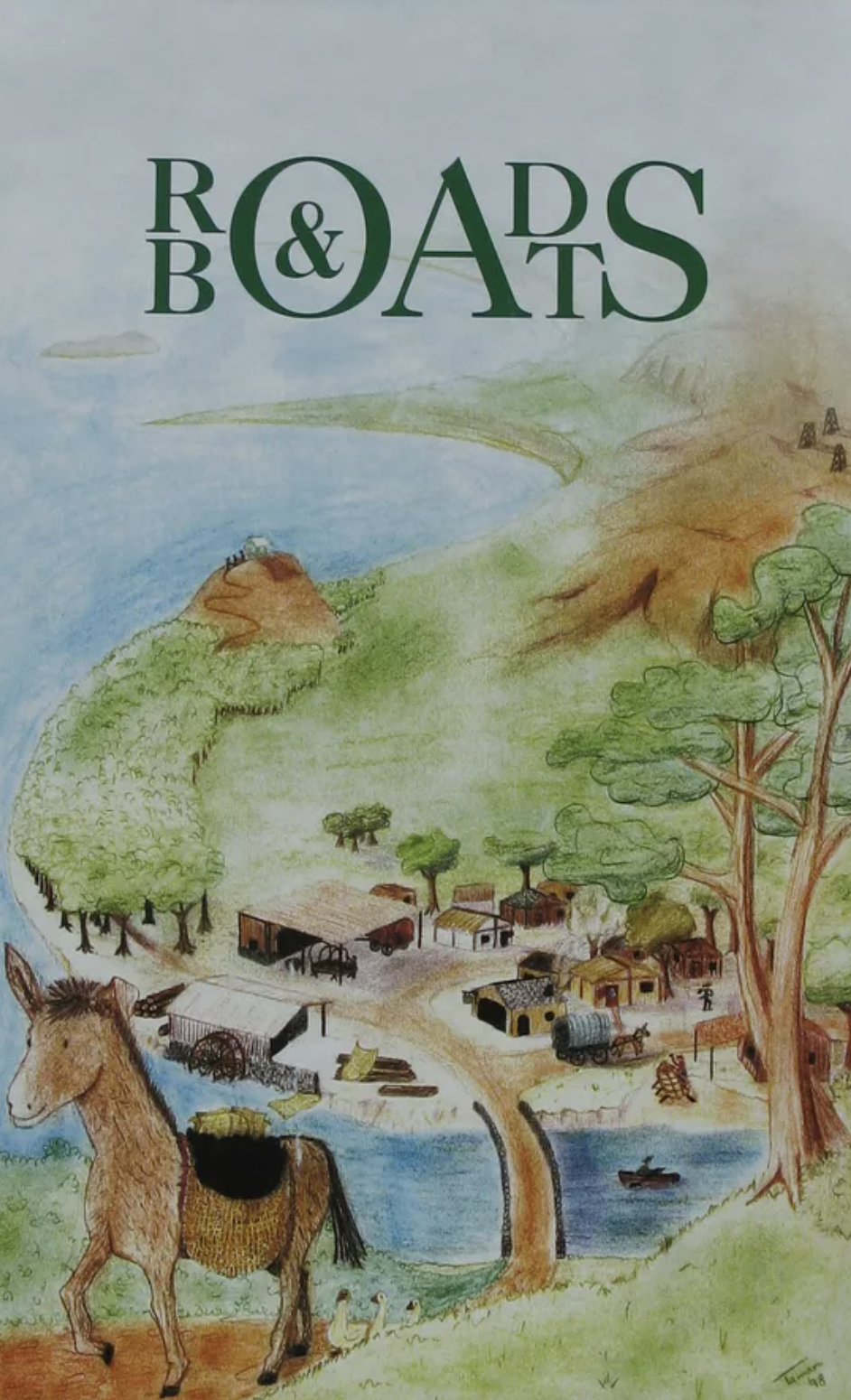
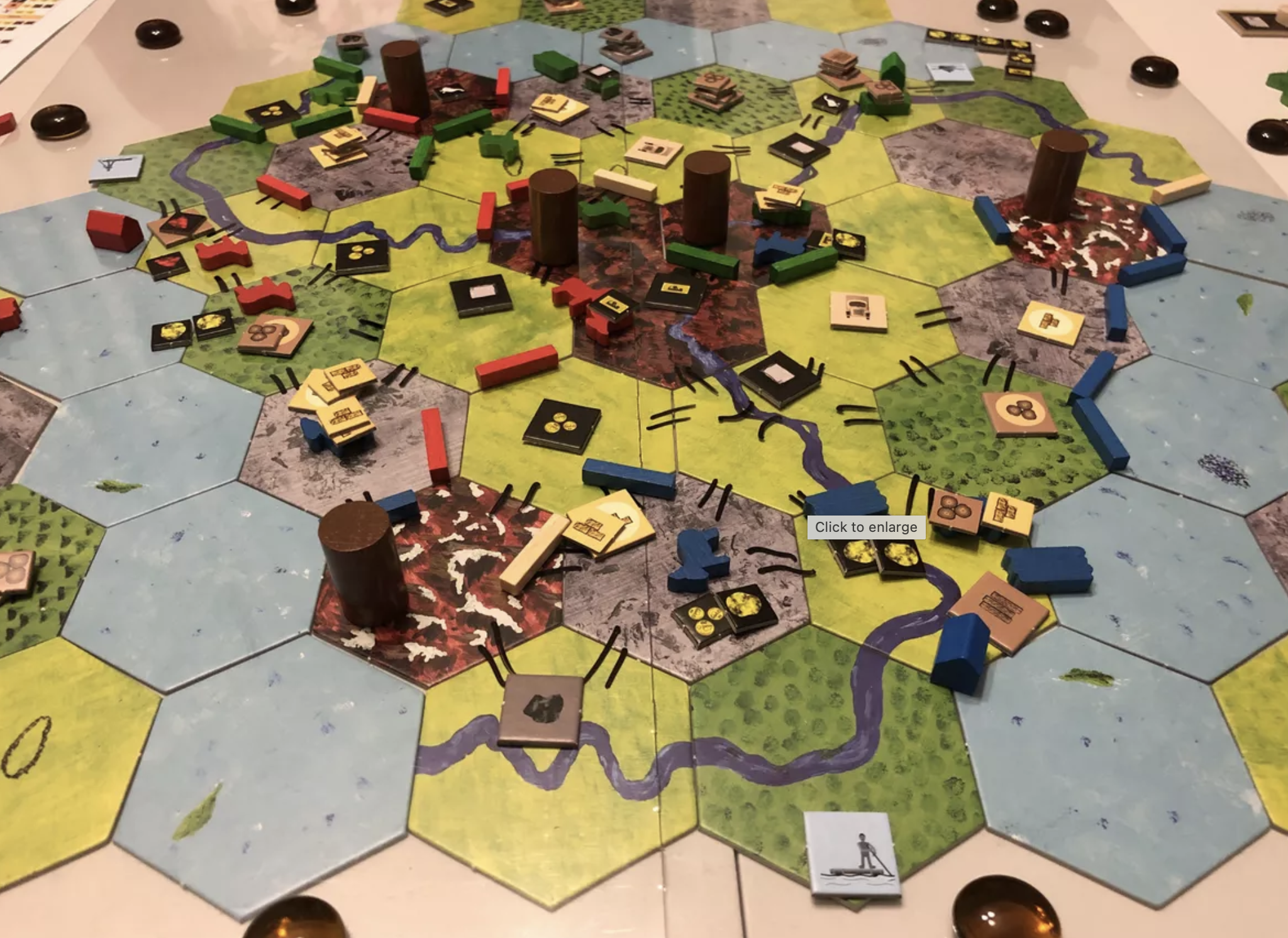
A much older game that always makes me think of this principle is Roads & Boats. I have never played the game, simply because I can’t get past the cover. I know the game is 26 years old, but it’s just so painful to look at. It lowered my expectations. And looking at the components, I have the same disappointing feeling.
What to do
The main point is that aesthetics matter. And it impacts more than just how nice something looks. Improved aesthetics can actually lead people to overlook minor usability problems and generally view the game in a better light.
The best approach, in my experience, is to be highly in tune with the development of the game and to recognize when a prettier prototype might be needed. When most of the feedback starts to be confusion over how things work, it might be time to start adding some design to provide those pointers. It doesn’t have to be final, just enough to provide the kind of hints a player will need when playing the game.
